



The exhibition “Anna Turbau. En veu pròpia” unveils unpublished work by this woman pioneer of photojournalism
The Palau Robert in Barcelona hosts the exhibition “Anna Turbau. En veu pròpia” (Anna Turbau. In her own voice), an exhibition that discovers the personal universe of the author, a woman pioneer of the Catalan photojournalism, with a work marked by social commitment, sensitivity and closeness to the photographed subject, and which portrays a moment of profound social and political transformation in Spain.
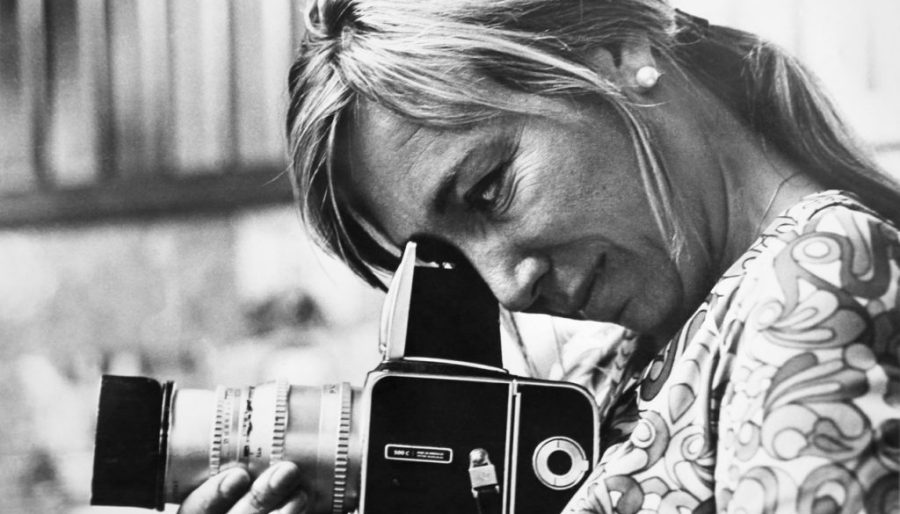
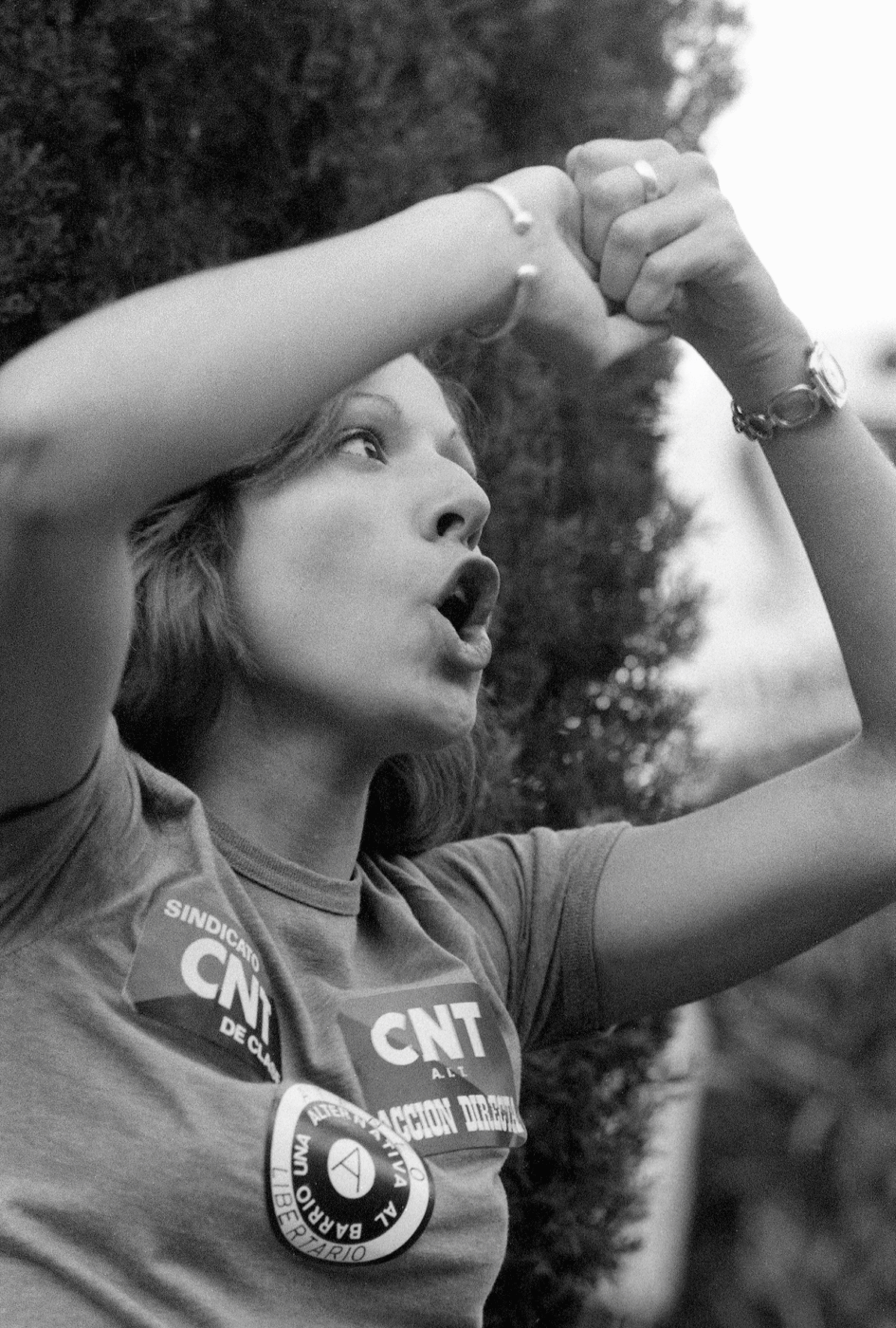
Anna Turbau (Barcelona, 1949-2025) is part of the group of photographers who, during the Spanish Transition, developed committed and activist photojournalism. In a very conscious way, she gives visibility to the the fight for rights and freedoms, with a renewed and militant language far from the humanistic documentary style by the previous generation of the sixties.
Her photographs document Spain’s turbulent democratic transition, and the popular struggles, demonstrations and social movements that emerged with force after Franco’s regime and decades of silence and repression.
The Raval neighborhood of Barcelona, rural Galicia and much more
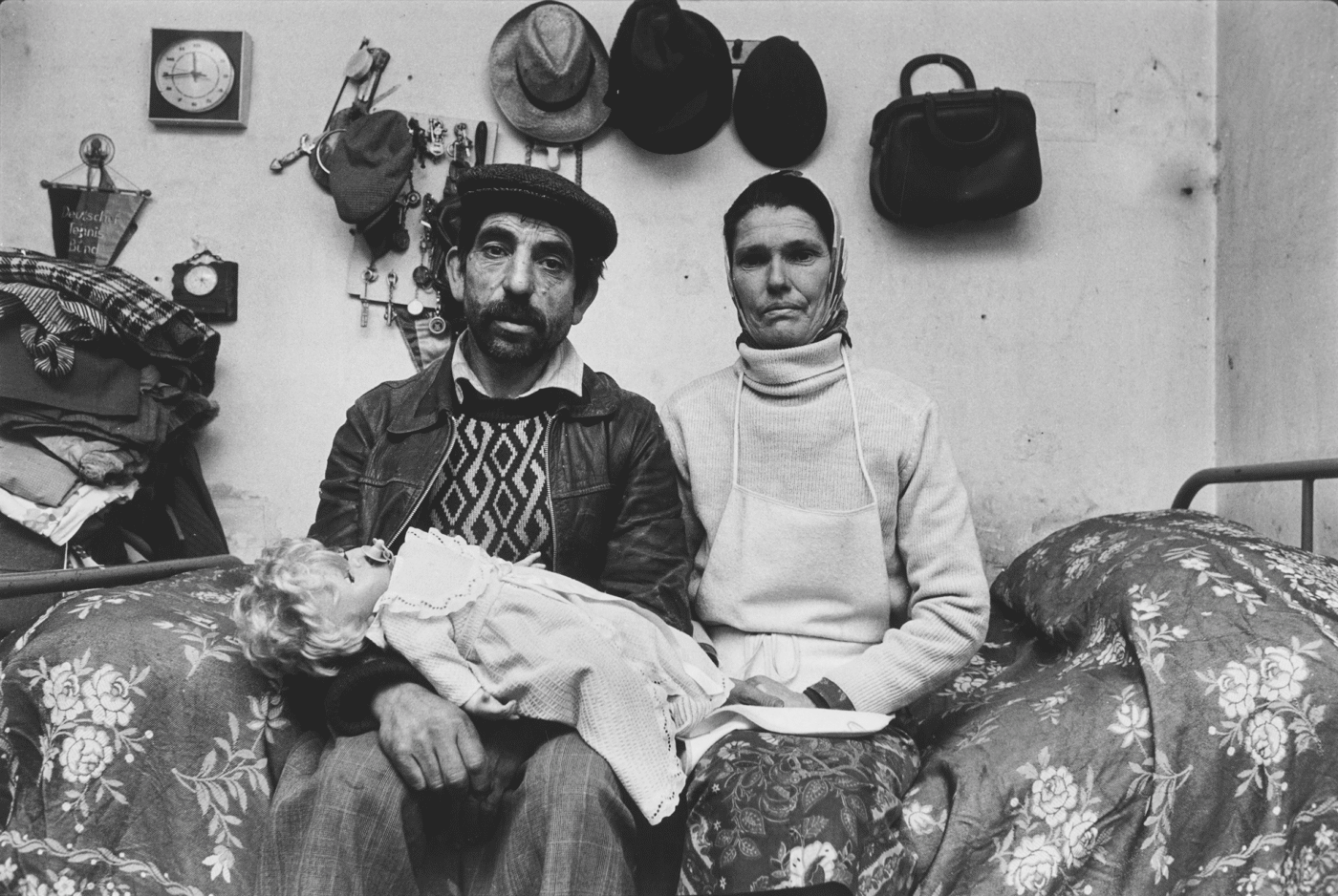
In 1975, Anna Turbau began to portray the harsher and more marginal reality of Barcelona’s Barrio Chino – the old popular name for a part of the current Raval neighborhood, located in the Ciutat Vella district –, making visible a reality that Francoism wanted to hide.
That same year, she traveled to Galicia to document the construction of housing in the gypsy village of O Vao (Pontevedra), designed by the architect César Portela, with whom she established a close friendship and shared exhibition projects. She settled in Santiago de Compostela and began working for the magazines Interviú and Primera Plana, while documenting the social and political protests that began at the end of Francoism and throughout the Transition. At that time, she took some of her most renowned photographs, such as those of the mobilizations against the construction of the AP 9 Autopista del Atlántico or those of the psychiatric hospital in Conxo.
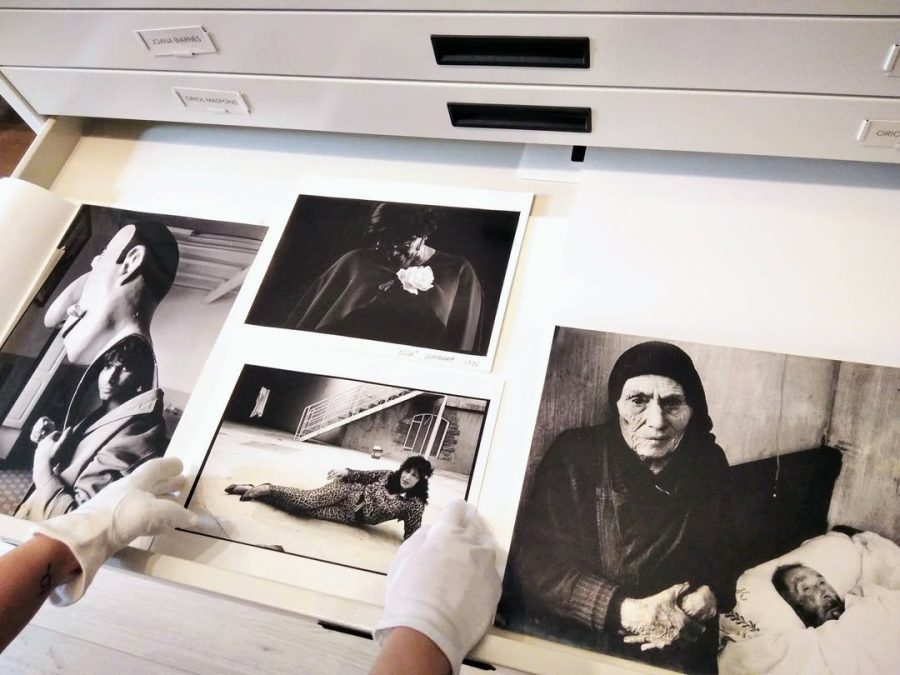
But beyond these iconic images, the exhibition reveals an extensive selection of previously unseen photographs of Catalonia in the late seventies and the eighties, portraying the gypsy communities of Ripollet, the inmates of the Wad Ras women’s prison, Ella Fitzgerald’s performance at the Barcelona Jazz Festival in the mid-seventies, the first Diada of Catalonia after Franco‘s regime, and the referendum for the approval of the Constitution in Barcelona—among many others.
Photography with an ethical conscience
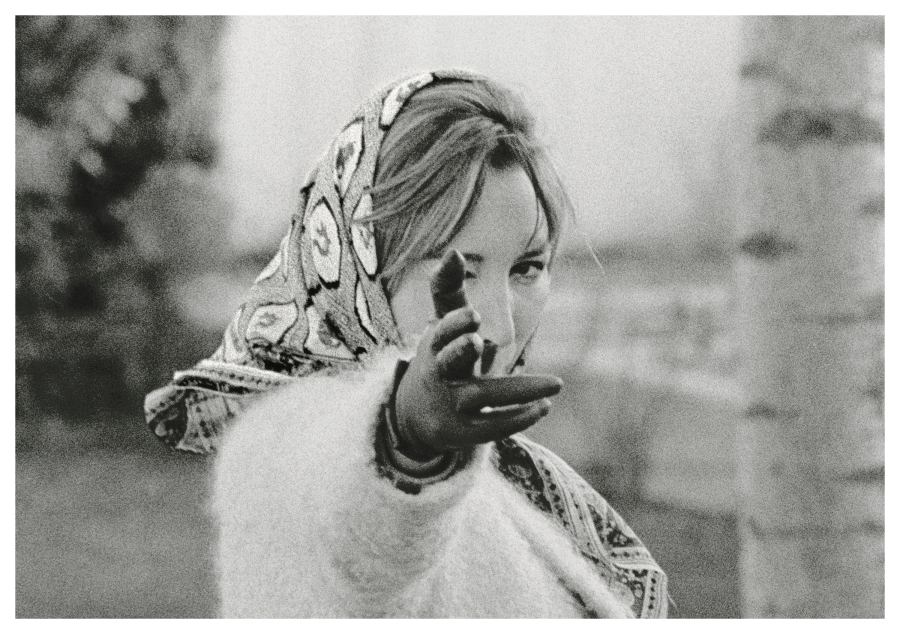
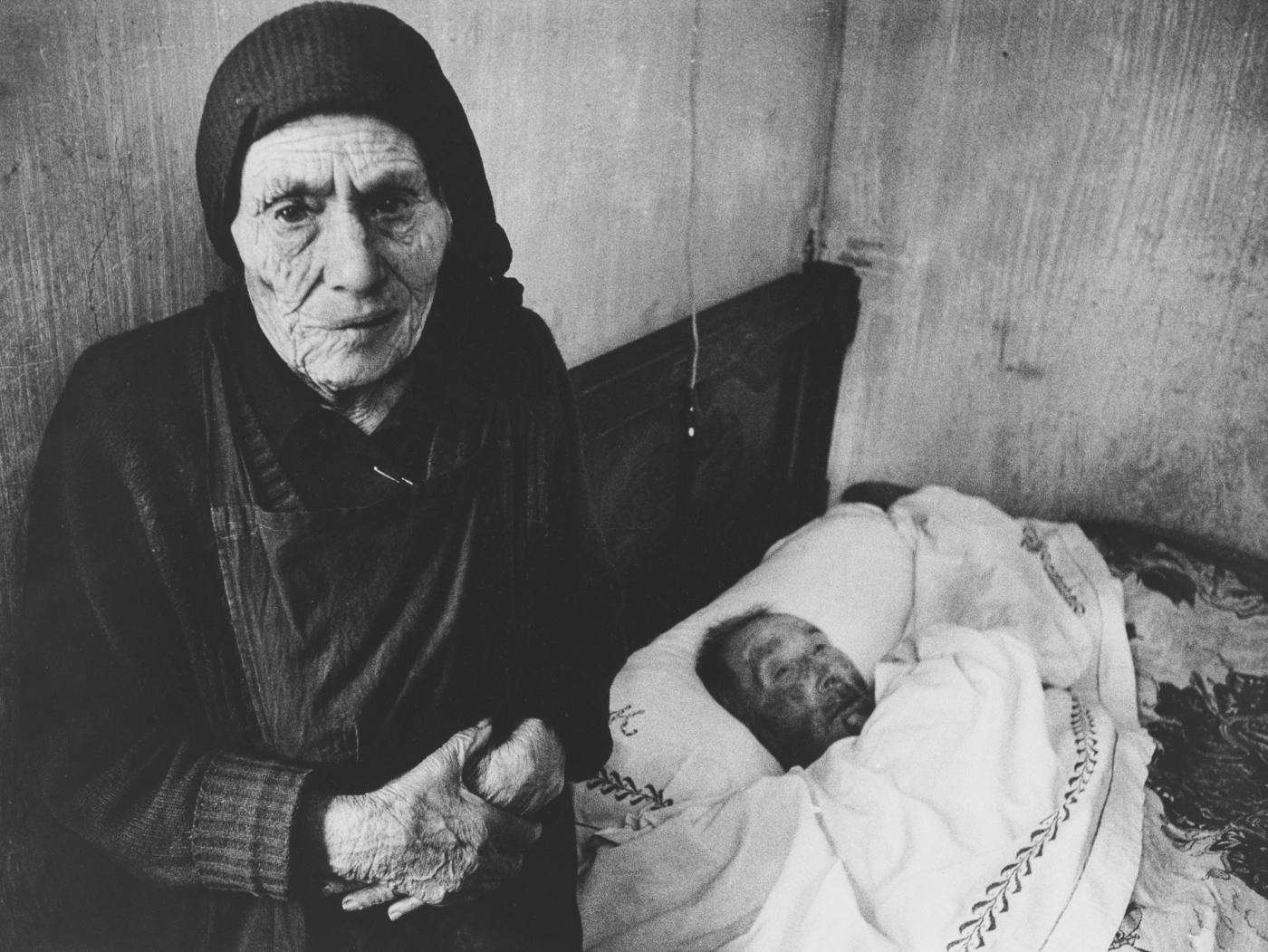
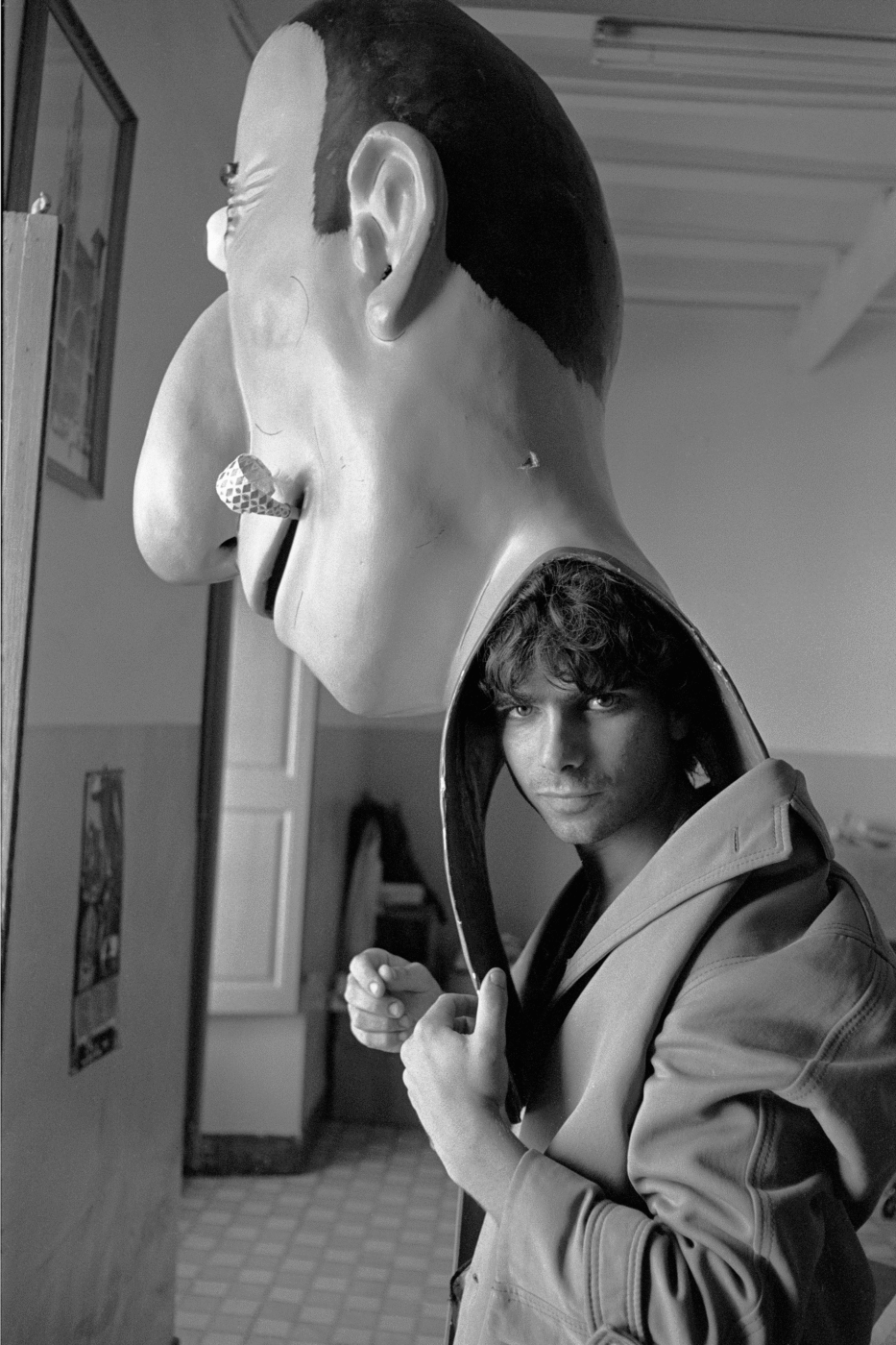
Anna Turbau stands out for her constant professional and militant commitment, taking an interest in both social causes and people living on the margins. She gave voice to those who were left out of the official discourse, with a portrait that, far from delving into their miseries, dignified them as people. And she granted women the visibility that society at the time denied them.
Her pictures convey a deep trust in the human capacity to celebrate life, even in the most adverse circumstances. The closeness with which she approached the people she portrayed is one of the distinctive features of her photographic practice. Each image reveals a relationship of trust, an ethical awareness that understands that photographing also implies assuming a responsibility towards those who allow themselves to be looked at.
Delving into Anna Turbau’s personal universe
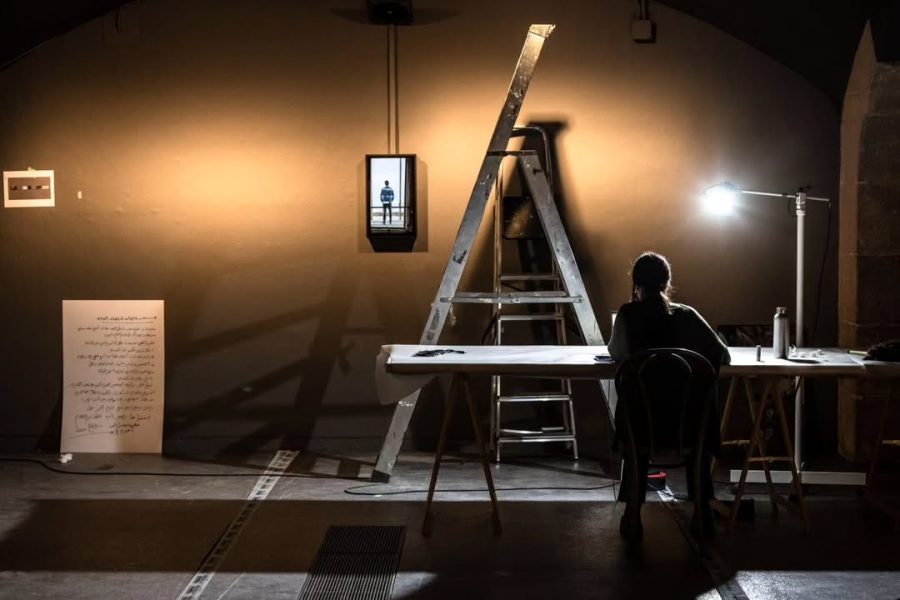
“Anna Turbau. En veu pròpia” has been conceived from a relationship of proximity, dialogue and knowledge of her career as a photographer. The exhibition has been built from the accompaniment and shared responsibility of keeping alive her criterion, her sensitivity and her way of understanding photography. This process has involved the review of more than 40,000 photographs that make up her archive –some unpublished–, her interviews and statements, and “the memory of so many conversations held with her over the years that have allowed her voice to continue to be present in every decision”.
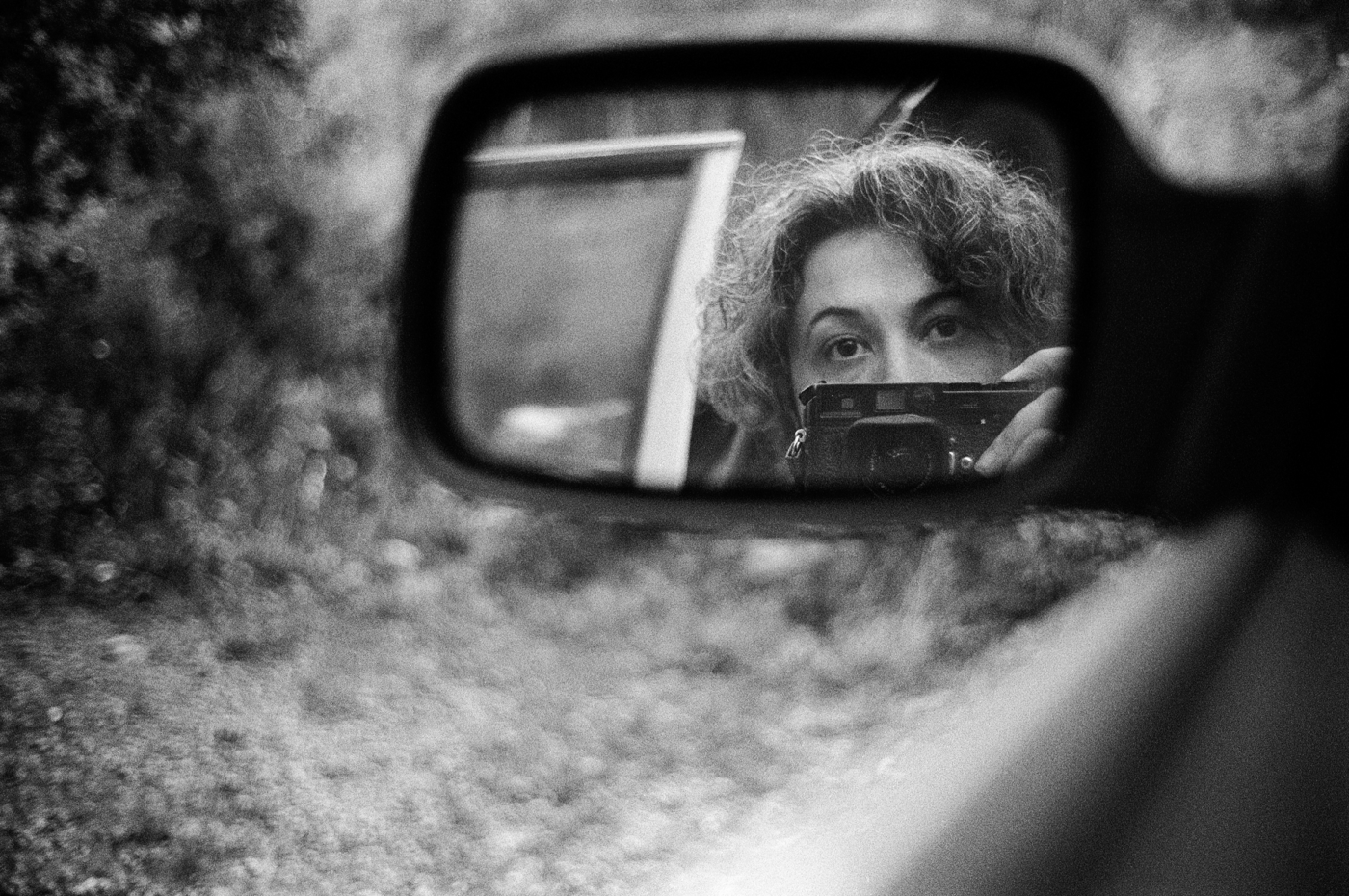
This exhibition takes visitors into the personal universe of Anna Turbau and reveals its multiple dimensions. It recovers her testimony and her social commitment, but also reveals her other passions and the way she understood photography: not only as a tool to document a reality that many preferred to ignore, but also as a space for personal exploration, a mirror in which to look at and recognize herself. Throughout the exhibition, visitors will discover her images and listen to her words, with Anna’s voice as the central theme of the exhibition.
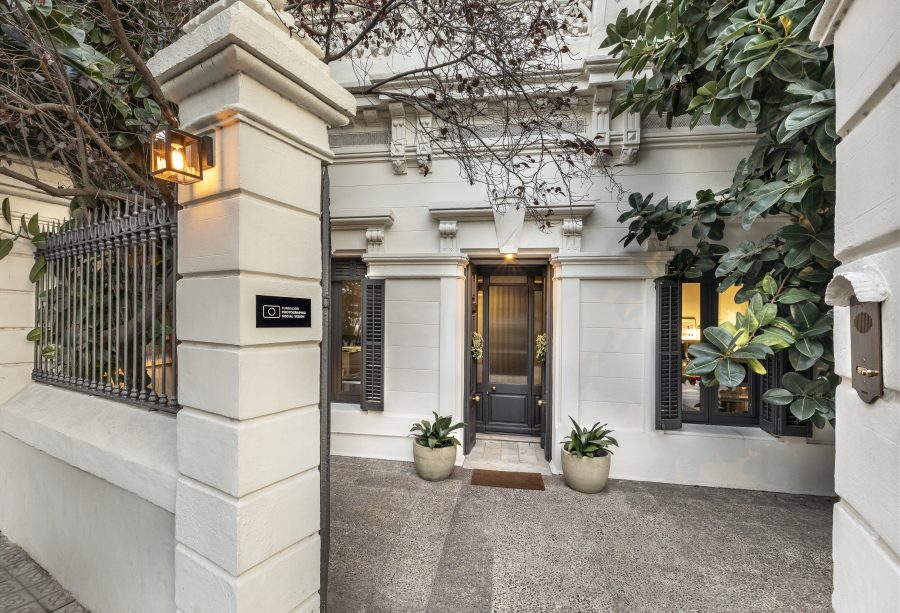
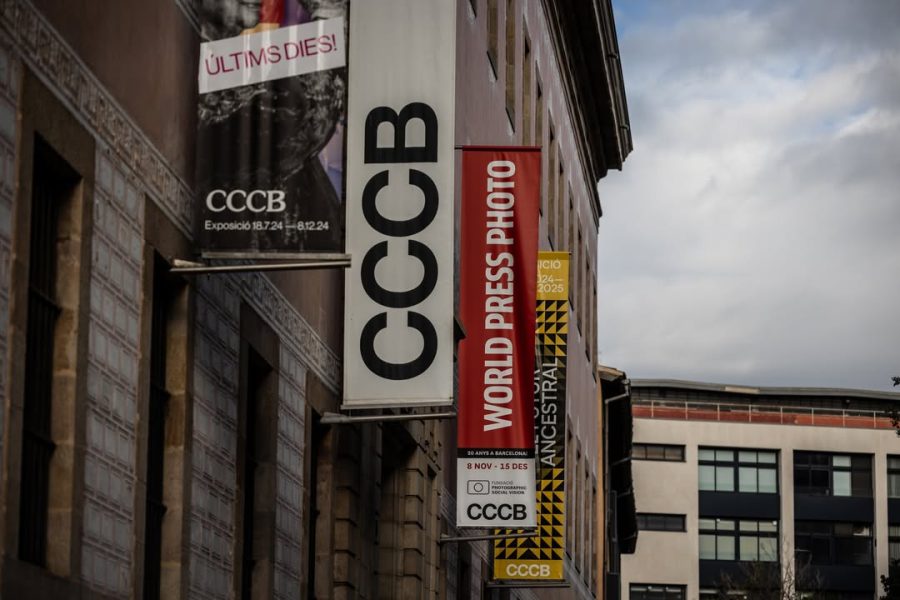
The exhibition is curated by documentary photographer Adra Pallon, and by Maria Planas and Sílvia Omedes, from the Fundación Photographic Social Vision, and it’s organized by Palau Robert, Generalitat de Catalunya and the Fundación Photographic, in collaboration with the Centre de Fotografia Fundació Toni Catany and Consello da Cultura Galega.
Since May 2023, the Fundación Photographic Social Vision has represented the author’s archive, with the aim of conserving and disseminating her work.
Guided tours to the exhibition «Anna Turbau. En veu pròpia»
Throughout the summer, you can delve deeper into the work of Anna Turbau, a sensitive, committed, and activist work by this pioneer of Catalan photojournalism, including her iconic images of social struggles and marginalized lives in Galicia during the Spanish Transition and in Catalonia during the 1970s and 80s.
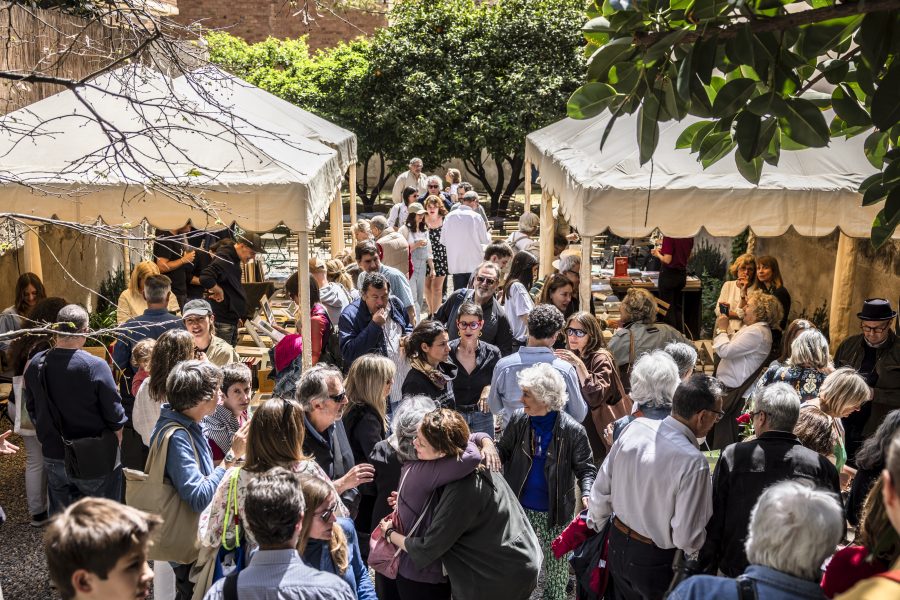
Join the guided tours organized by the Photographic Social Vision Foundation, held on July 9, 16, 23, 27 and 30.
Free admission with prior registration. Reserve your place by filling out this form!