





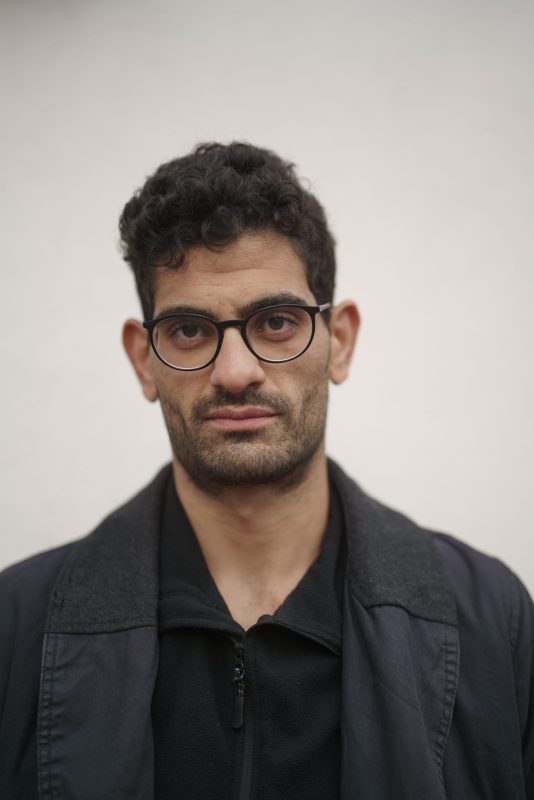
In January 2023, we announced that Adra Pallón, a documentary photographer from Lugo (Galicia), is the winner of the IV Beca Joana Biarnés (a scholarship for young photojournalists) with his proposal Demotanasia. La muerte silenciosa de una cultura, su gente y territorio. Los últimos del rural (Demothanasia. The silent death of a culture, its people and territory. the last of the rural)*
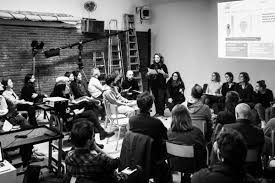
Thanks to the Beca Joana Biarnés, the author will have 8,000 euros to carry out photographic research, over nine months and with the support as a tutor of Juan Valbuena, founder photographer of NOPHOTO collective, director of PHREE publishing house and coordinator of the International Master’s Degree of Photography and Project Management at the EFTI school.
(*): Update to June 2023: the author has replaced the initial subtitle of his work for Demotanasia. Os derradeiros lumes, which we can translate from Galician as “Demothanasia. The lasts homes”.
“DEMOTANASIA”, THE SCHOLARSHIP PROJECT
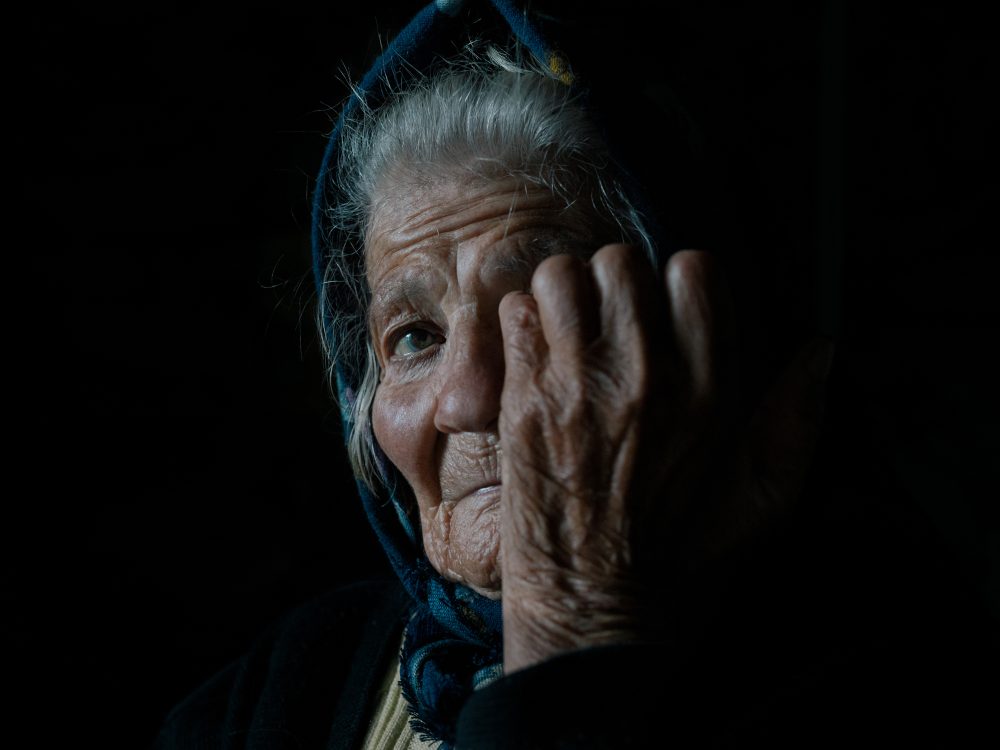
In the proposal presented as a candidate for the scholarship, Adra Pallón explained: “My grandmother Josefa is eighty-nine years old and lives alone in a village. In areas like Galicia, on average, every week is depopulated village. Depopulation is a serious problem and must be photographed at this historical moment, it reflects the institutional passivity, full of implicit violence, suffered by the inhabitants of these rural environments, the vast majority of them old people”.
The author also explains that his grandmother “belongs to the generation that broke with a way of life based on subsistence agriculture and livestock, who began to abandon rural environments looking for other ways of life. Many people migrated all over the world, others however decided to continue living in the land where they were born“.
Pallón says that “demotanasia is defined as «the process by which the people of a territory are forced to leave due to direct or indirect political actions, or by omission. Death by depopulation is slow and silent. Ruthless with the territory, nature and heritage». The situation is also dramatic for the people who inhabit or, in other words, resist in the place. Those who live in the most absolute solitude in a silent, silenced and misnamed empty Spain actually, it still isn’t,” he concludes.
BIOGRAPHY OF ADRA PALLÓN
Adra Pallón is a documentary photographer who, through long-term projects in which he uses photography and multimedia, tries to explain social problems present in the region or social group of which he belongs. He alternates these projects with collaboration in media and photography teaching.
Some of his personal works have been recognized in different photojournalism and photodocumentary competitions, such as Galicia en Foco, Andrei Stenin International Press Photo Contest, Prémio Estação Imagem 2022, Perpignan Visa Pour I’Image Screenings, finalist for the III Beca Joana Biarnés or II Premio Zampa.
THE DECISION OF THE JURY OF THE IV BECA JOANA BIARNÉS
The jury of the 4th edition of Beca Joana Biarnés unanimously declared Adra Pallón the winner, among the three finalist projects.
One of the members of the jury, the documentary filmmaker Òscar Moreno, argues that it is “a very necessary photojournalistic work on rural depopulation” and that “its images deeply immerse the viewer in the life of its protagonists and the landscape where they live. From the beginning, they are a historical memory of a way of life that disappears”.
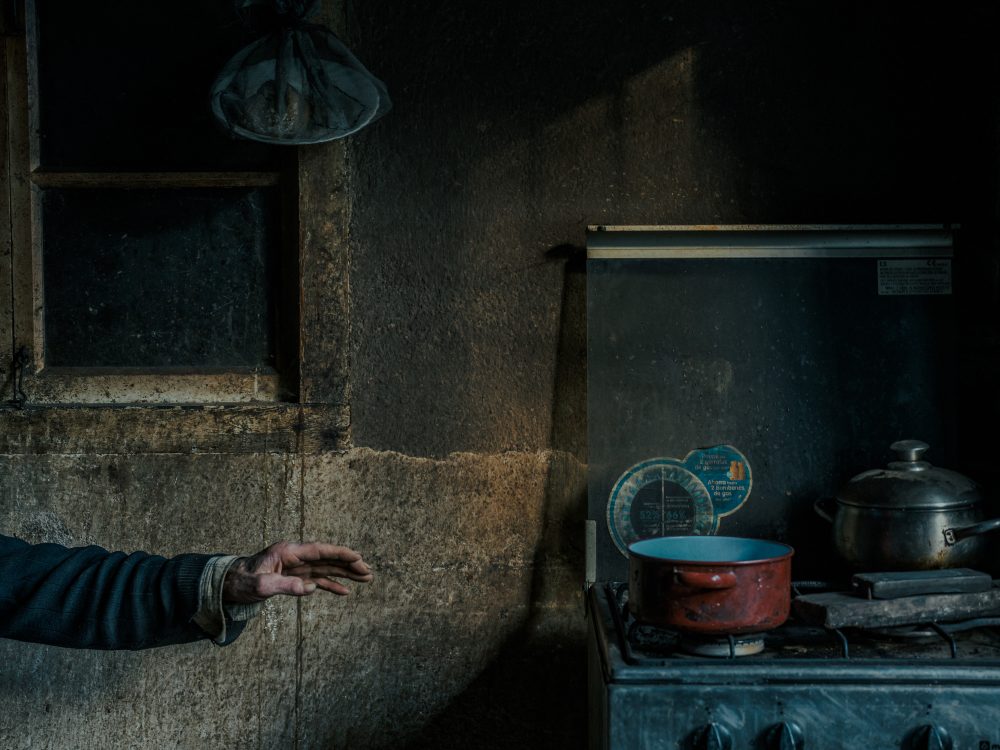
In the verdict written by another member of the jury, the photographer Sofía Moro, it is explained how they valued both “the direct involvement of the photographer with the story” and “the exhaustive work of previous investigation, where he explains the consequences that this disappearance has both at social and demographic as well as environmental and economic”, and also “his way of approaching the project and his maturity as a photographer“.
The jury also explains that the project “forces us to look at this Galicia that is disappearing without any political institution doing anything to prevent it or mitigate its consequences. Adra’s work can be an incentive to denounce this institutional passivity instead of believe this is an inevitable situation and that not only occurs in Galician territory, but also extends throughout the ‘empty Spain‘”. In addition, it highlights “the determination and commitment” of the author “to document with his camera everything that slowly and silently fades before everyone’s eyes -as if the fog, so Galician! were devouring it- to record what It was before it disappeared.”
In the words of Rafa Badia, also a jury member, photo editor and professor, “the author excites and invites us to immerse ourselves in the story of a terrible reality, a change in the economic, social and cultural model that is changing the landscape of many parts of Europe, from which the Galician lands are a perfect example”. And he adds that “the photos of Adra Pallón are like the stones of David, determined to face the giant Goliath who tries to impose a world alien to the culture and attachment to the land of the old farmers and winners. They are a personal, cultural and economic patrimony that this photographer presents it to us, with beauty and respect, so that their demands are heard. Joana Biarnés would be proud of the photos and the commitment of this young galician photographer“.