



Participative photography
workshops
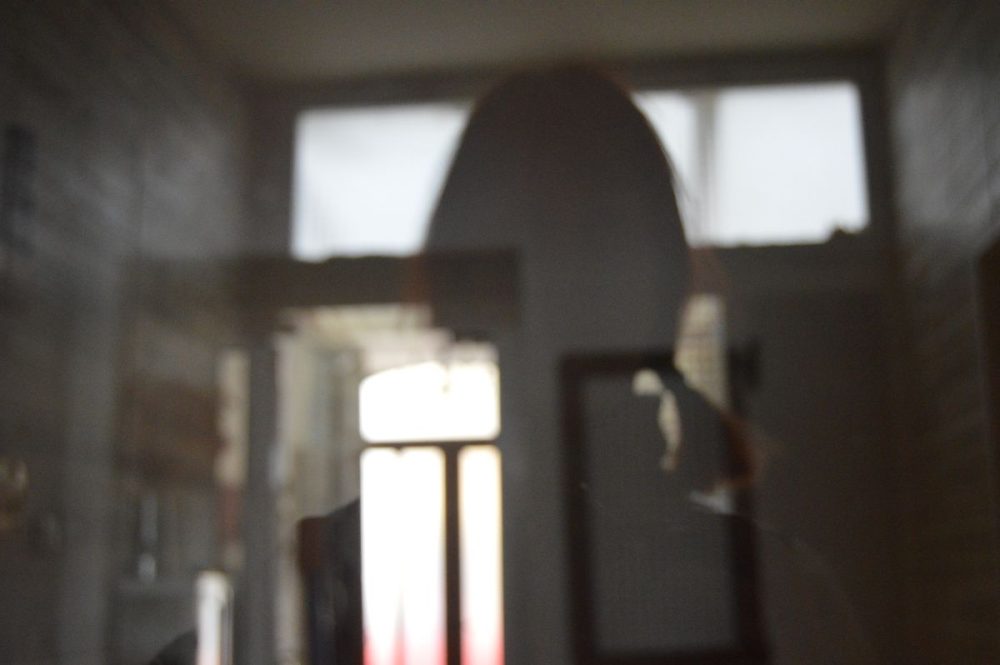
Sensitive Material
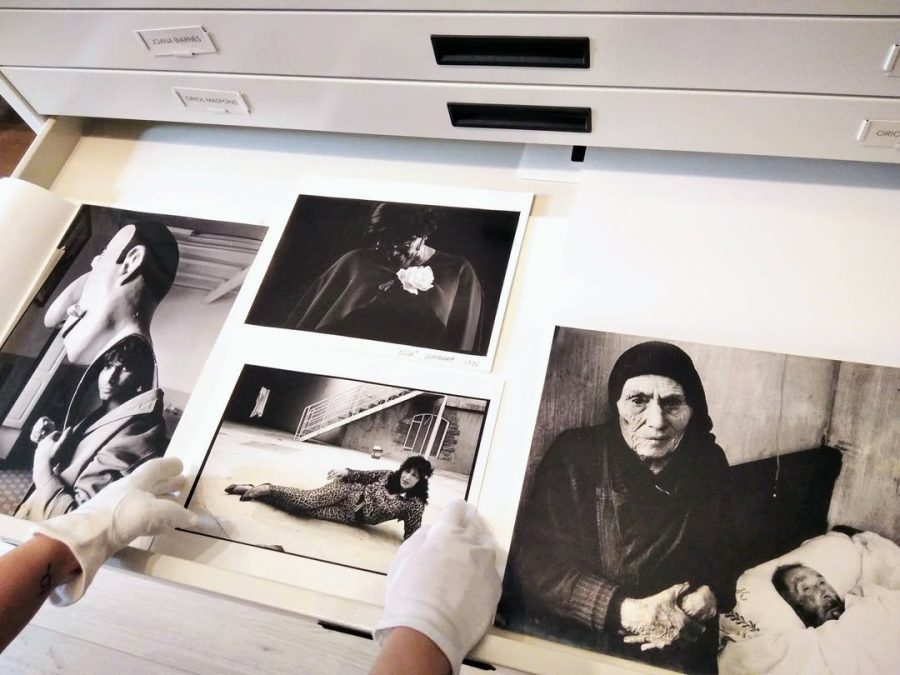
Participatory photography project aimed at people who have suffered sexual abuse in childhood and who are in the process of recovery. The main objective of the project is to accompany the participating people in the repair of their identity by offering the image as a tool of expression to review the past and rebuild their own story.
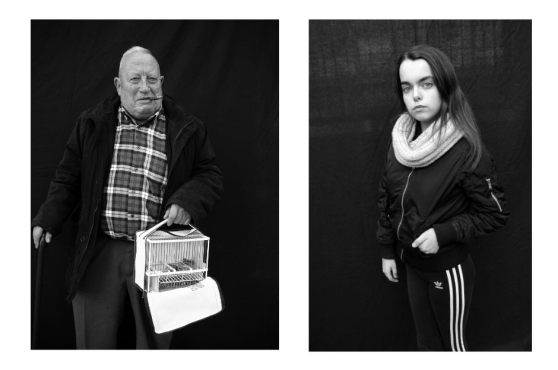
More great people
Taking a further step in the de-stigmatization of mental health problems through participatory photography. A mixed group of people with and without diagnosis exchange skills and learning, strengthening commitment to each other.
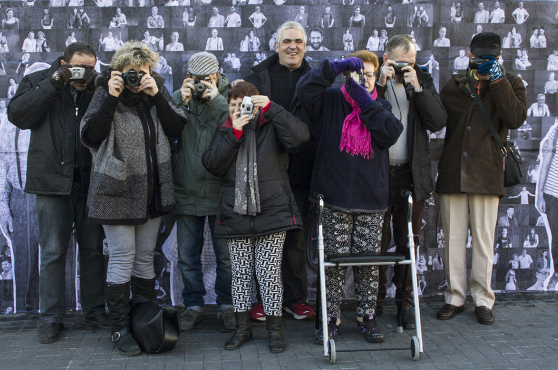
Great people
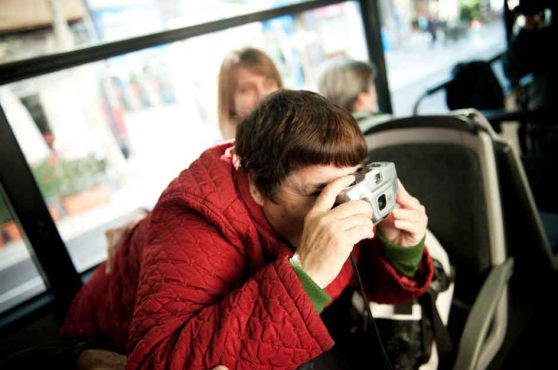
For four months, ten amateur photographers diagnosed with some kind of mental health problem went out on the streets to take portraits of their neighbours, with the help of a mobile photography studio.
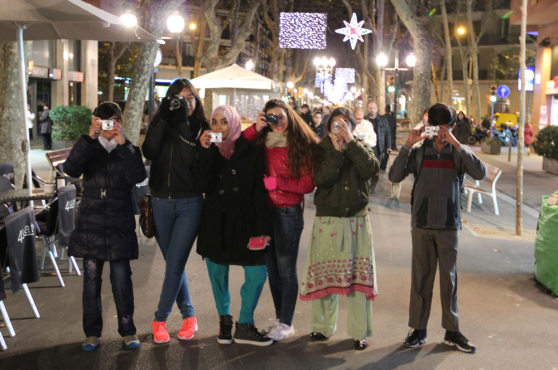
Let me be myself
The private world of an adolescent is not easily accessed. This photography workshophelps them reveal their world to us, without fear of judgement, with apprehension perhaps, but truthfully.
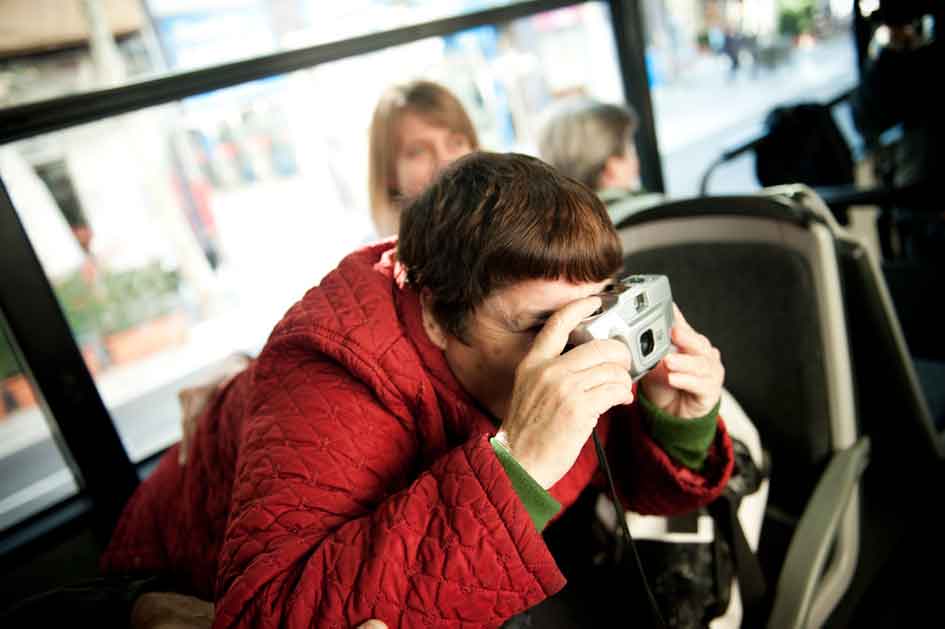
Eachoneness
Learning to see can be understood as an attitude, a personal commitment, and a discovery of the intention that is behind a gaze. For four months, the participants in this photography workshop -all of them people diagnosed by some kind of mental health problem- were able to explore their capacity for creative expression through the camera.
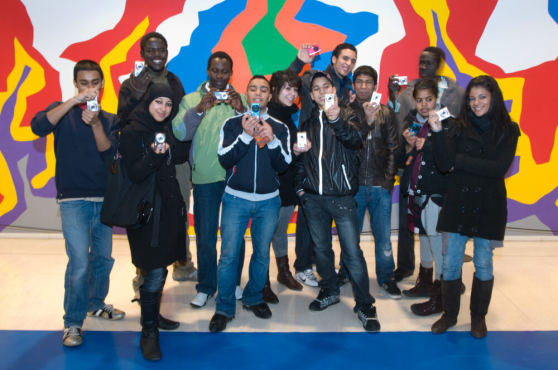
Personal landscape
Using photography not only as testimonial record but also as a discovery and reaffirmation of one’s own viewpoint, a group of young migrants in their years explored for four months the possibilities of using images as vehicles for the expression of what they feel.
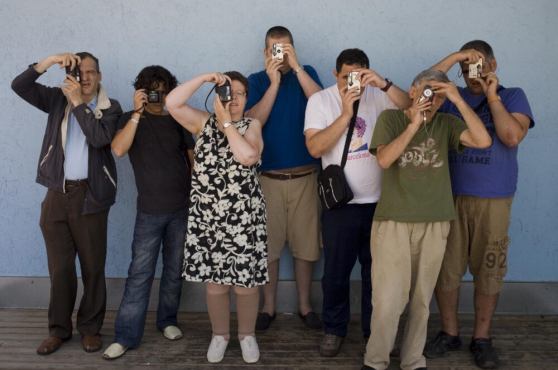
With their own voice
In an attempt to introduce photographic language to participants as a tool for expressing their own circumstances and reality, we organized the first two participative photography workshops with people diagnosed with some kind of mental health problem. The project was conceived and carried out in collaboration with our partner the photographer Patricia Esteve.
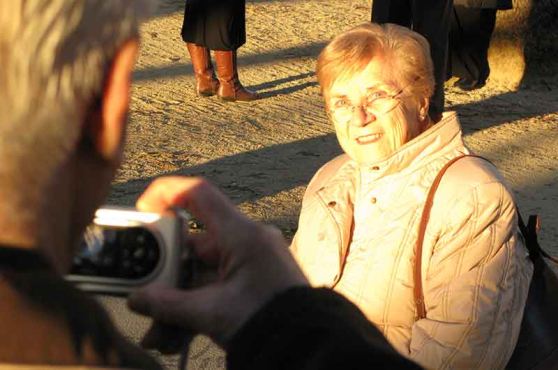
Refusing to forget
This workshop originated with the idea of creating a therapeutic method through photography and photographic material that could be useful to people suffering from Alzheimer’s disease and other similar conditions, designed for them, their caregivers, and their family members. The project was conceived and carried out in collaboration with photographer Jordi Oliver.
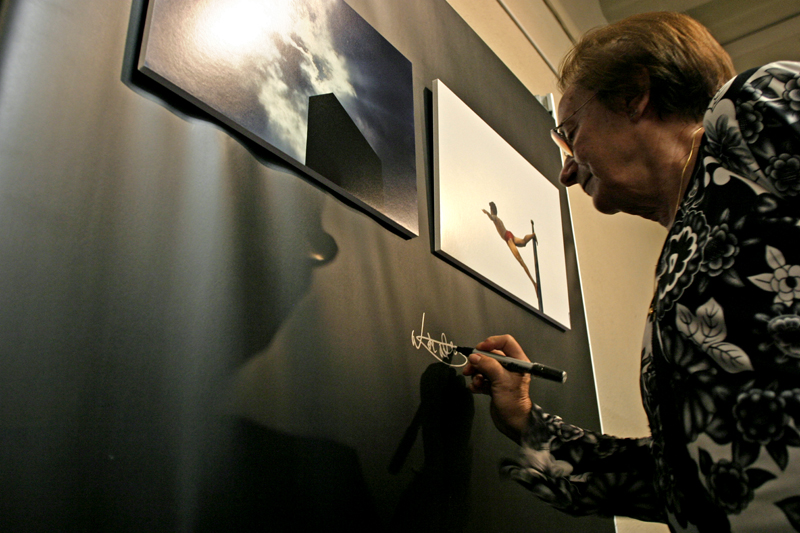
Learning to see at 70
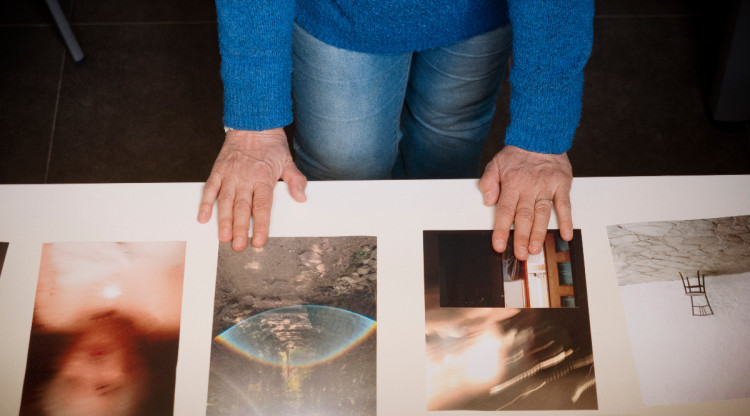
Participative photography workshop aimed at senior citizens, in an attempt to discover new perspectives and new ways of looking through the lens of a camera.