Winner of a World Press Photo 2025
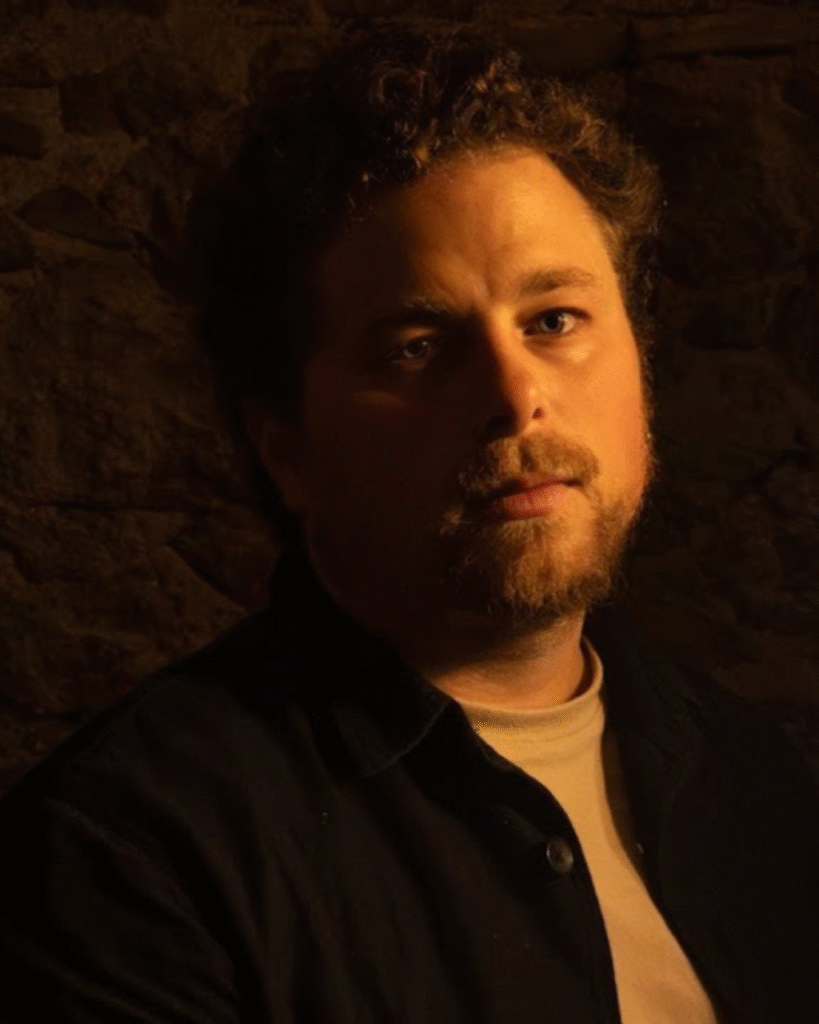
In its 2025 edition, the acclaimed World Press Photo photojournalism competition has recognized the work of Spanish photographer Samuel Nacar in the category Stories within the West, Central, and South Asia region.
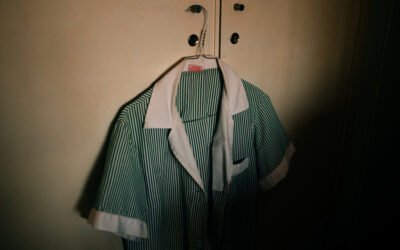
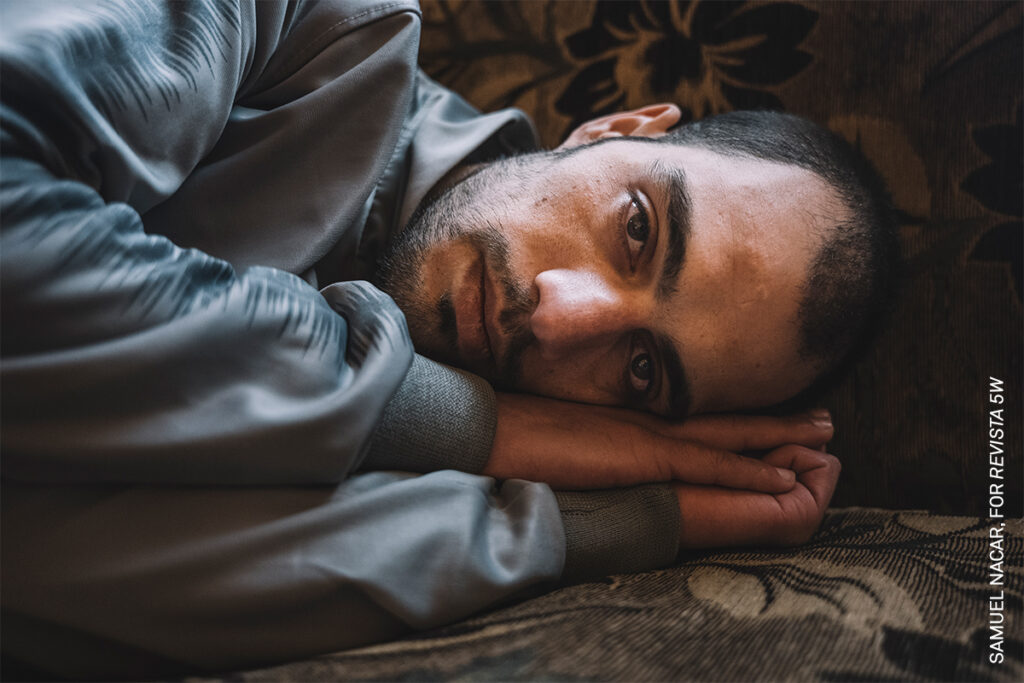
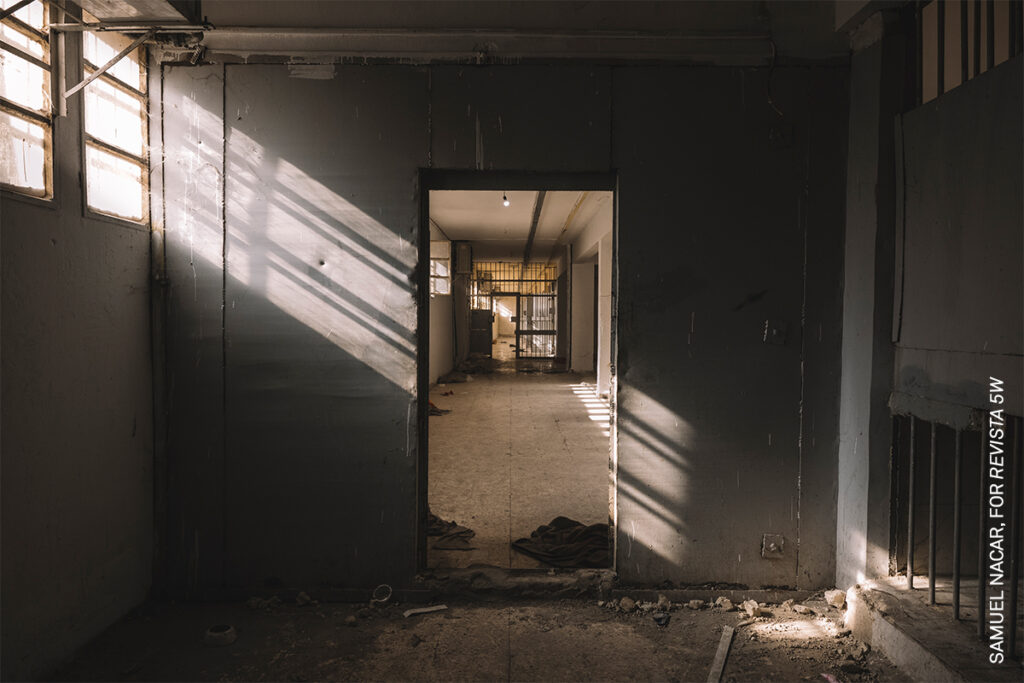
His award-winning project, titled “The Shadows Already Have Names,” addresses the stories of prison survivors in Syria and the torture they endured during the regime of former President Bashar al-Assad. This project was published by 5W magazine, with texts by Agus Morales. You can read the full report here, and below, is a transcript of the interview with the photographer.
Born in Barcelona (1992), documentary photographer Samuel Nacar has worked in recent years portraying migratory routes to Europe. The author, who is member of the Photographic Foundation, won the II Joana Biárnes Scholarship in 2021 with his project «Cartas a Mariví» (Letters to Mariví), about the deindustrialization and depopulation of Spain. He also won the Best Project Award at the Abycine Film Festival, as well as an IPPAwards and a Gold Medal at the PX3 for his coverage of the Calais eviction in 2016.
By Carlos G. Vela
What is your project about, which you made with journalist Agus Morales for 5W magazine?
The title of the project is “The Shadows Already Have a Names,” which is the name Agus Morales gave to the report. It’s about all those who disappeared during Bashar al-Assad’s regime and who are now seeing the light again, coming out and connecting with their families, and (it allows us to see) their situation when they return to life. We’re talking about prisoners and missing persons who have returned after spending years in prison, but also about all those whom the regime killed and left in (mass) graves, which are now being discovered after all these years of war.
Is your project trying to recapture what happened during Bashar al-Assad’s reign?
No, in fact, I think it was the absolute present (at the time of writing this report). With the fall of Bashar al-Assad, Sednaya prison was opened, and when we arrived, the prisoners had just been released the day before. Furthermore, many people in the villages were opening graves they knew existed or believed to be there. In fact, we were interviewing one of the prisoners and were told that a grave was being opened in a nearby village. But there must be thousands of graves across Syria that have yet to be opened!
How did the Syrian population experience the fall of the regime?
It was a very strange moment, with very contradictory emotions. On the one hand, the mother of one of the prisoners couldn’t stop smiling because her two sons had returned home after seven years; it was the most beautiful moment! She couldn’t stop hugging her children, showing them off all over town; it was beautiful. On the other hand, there were all those who, despite the prison being opened, hadn’t recovered their missing loved ones. Where were they? So, for example, even though Damascus was celebrating and everyone was enjoying it, all the public spaces were filled with posters with photos of people whose whereabouts were unknown.
Was this your first time in Syria as a journalist?
I’ve been trying to go to Syria for ten years. I tried three years ago during the earthquake, but the visa issue was complicated. I hadn’t went because of the war, I don’t work on conflict photojournalism. The thing is, I’ve been covering migration issues for a decade, primarily focusing on the Syrian exodus. And when Bashar al-Assad fell, I saw a window. I said, “I’ve been trying to tell stories and find out what all the people I’ve encountered along the path.” So this work closes a very important stage in my life. Telling what the regime has done and why people were fleeing Syria is essential to understanding the migration processes we’re experiencing in Europe. And even more so now (in April 2025, when we conducted this interview), when institutions suddenly no longer want to issue visas or are already saying that Syria is a safe place. It’s important to remember that we’ve been in civil war for ten years and that there is still constant violence in the streets. I think it’s essential to understanding Europe and how we treated people who were literally fleeing war, a dictator, prisons and torture, and mass graves. People were fleeing that, and we haven’t opened a single door to them that we should have.
What was it like to find out you were winning a World Press Photo?
I received it with great joy, because, in the end, it’s a recognition. Agus Morales and I had been trying to publish this report worldwide for two months. In fact, every editor had it, and they all replied that they didn’t have space. We were going to publish it in 5W magazine, but no one wanted to publish the story internationally. And so, when you receive such recognition, you are very proud, because you’ve spent two months watching editors reject your work. Accepting rejection is great, but when you suddenly receive the recognition that this work is very good. The industry isn’t based on quality; it’s based on time and space, and there’s less and less money. At that time, it may seem like you’re doing something wrong, but no, you’re doing well, and it’s recognized with an award, which makes me very happy.
What will happen to Bashar al-Assad?
Duterte has just been caught and is about to be tried in The Hague for crimes against humanity. And I think al-Assad should go through a very similar process. Therefore, I believe that documenting this type of torture can help raise awareness about the need for a trial and arrest, not only for al-Assad, but for all those who carried out these types of massacres, which have left so many people dead. One of our protagonists couldn’t even stand up after spending seven years in prison and was skin and bones. I had seen these types of images or bodies in history books, but not in person. I think the brutality with which the regime has acted must be prosecuted, and I think a report like this helps raise awareness about the need for courts like The Hague to say: “We have to pursue this guy. He can’t be living peacefully in Russia. He has to pay for what he has done.”
What will happen in Syria now?
I think my work also is the ending of ten years of coverage of migration routes. I don’t know what might happen in Syria, and I don’t think I have any say in whether Syria’s future will be good or bad. I think it’s the Syrians who have to decide how it’s going to work. We’re seeing attacks and massacres right now (April 2025) all along the Syrian coast; it’s outrageous, it’s savagery. I can’t say much more about that, but I can talk about how Europe treats migrants. I think these kinds of projects help generate empathy so we know where people are often fleeing from. We can’t be defending the Europe of democracy, freedoms, and rights, and have borders that are like fortifications, which are brutal. People are dying on our shores because we are unable to create a safe route for people to emigrate and flee. Everyone should have this right. During the Spanish Civil War, my grandmother could have escaped before the war ended, but she didn’t, and that meant reprisals from the Franco regime. In fact, my two great-grandfathers died in prison, so I think the situation in Syria is not so strange to us. We all know stories or have relatives who, during our civil war, went through very similar processes. When we close the doors to these people, we are closing the door to our ancestors who also asked for help. It is essential to remember that history is not that things are worse in Syria, but that sometimes things go wrong, and we have to give opportunities to people who want to flee. We have to open the doors because otherwise, we cannot talk about rights, freedoms, or democracy. Either we rethink that or we talk about a dictatorial fortress Europe, which doesn’t allow anyone who wasn’t born or living here to enter. We can’t keep selling a narrative that isn’t true.
Samuel Nacar will be present at the World Press Photo 2025 exhibition in Barcelona, which will take place from November 7 to December 14. Tickets will be on sale next October.