





Joana Biarnés
Grant
The Joana Biarnés Grant aims to support the professional development of young photojournalists, of legal age and under 35, who share the concerns and values of the best visual journalism. It seeks to promote the visibility of topics that require public awareness and social reflection, focusing on national issues.
NOTE: To be eligible, applicants must have tax residency in Spain.
For the winner:
- €8,000 for the selected author or team to carry out their investigation.
- Guidance from a mentor with extensive teaching and professional experience to support the photojournalistic project over nine months.
- Temporary loan of photographic equipment, provided by Foto Ruano Pro.
- Guaranteed visibility through the media best suited to the awarded project.
For the finalists:
- Portfolio review with a collaborator of the Photographic Social Vision Foundation, chosen by each finalist depending on availability.
- A narrative journalism workshop organized by 5W, an independent magazine dedicated to narrative journalism and photography, and three months of free subscription to the magazine’s online content.
Bego Antón
Narradora visual cuyo trabajo explora el comportamiento humano y nuestra compleja relación con el mundo natural. Su fotografía aborda temas como la feminidad, la identidad y el límite entre la realidad y la fantasía, centrándose en mujeres cuyas prácticas desafían las normas sociales.
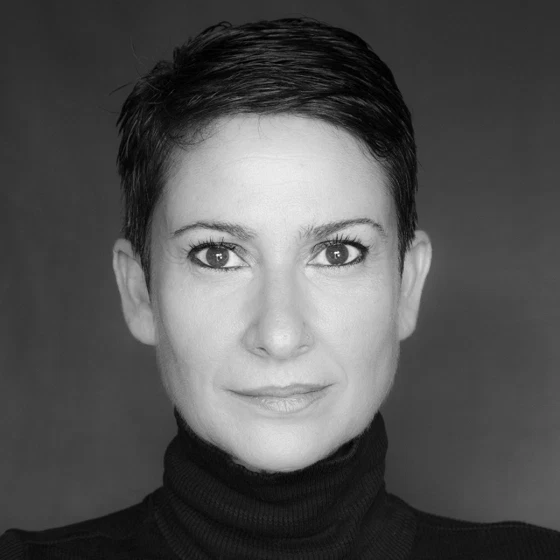
Núria López Torres
Fotógrafa documentalista. Centra su trabajo en los derechos humanos y temáticas relacionadas con mujer, el género, las identidades y las violencias.
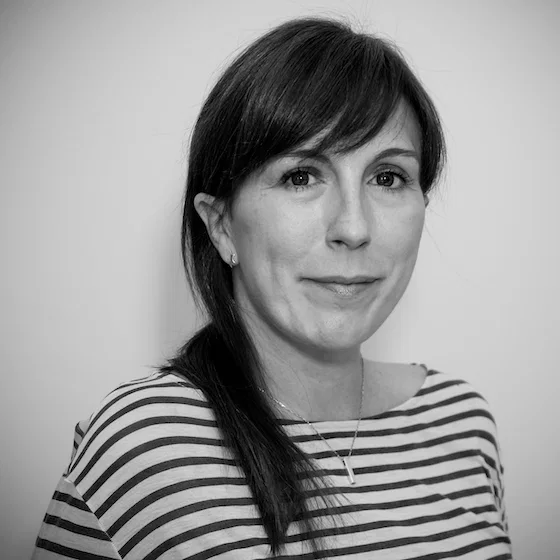
Ana Palacios
Periodista visual especializada en comunicación integral de proyectos con impacto social vinculados al tercer sector.
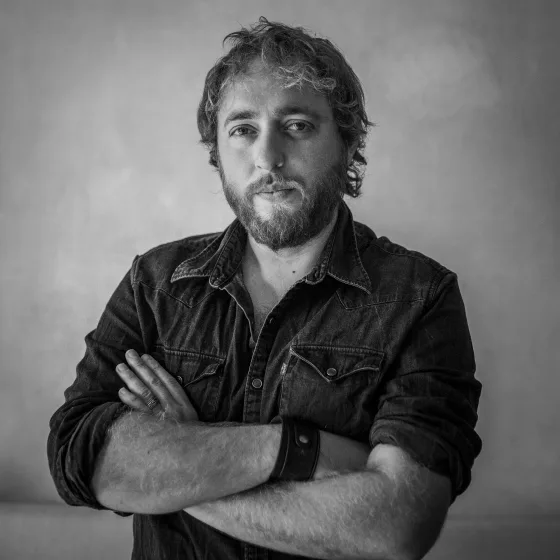
Santi Palacios
Fotoperiodista, director de Sonda Internacional y embajador de Canon. Su carrera se centra en la cobertura de migraciones, conflictos y la ecología humana, intereses derivados de su formación como sociólogo.

Jordi Rovira
Periodista, escritor y director y guionista de documentales. Licenciado en Ciencias de la información, Ciencias Políticas y Sociología y Geografía e Historia, en prensa escrita ha realizado reportajes en una treintena de países, la mayoría para La Vanguardia, pero también para Interviú, El Periódico y Ara.
The Grant
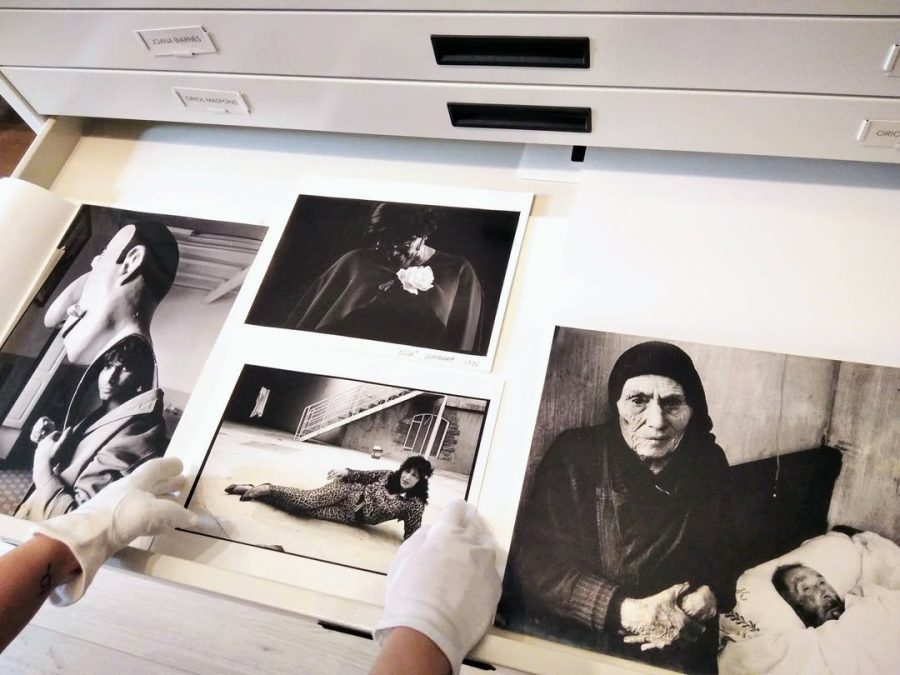
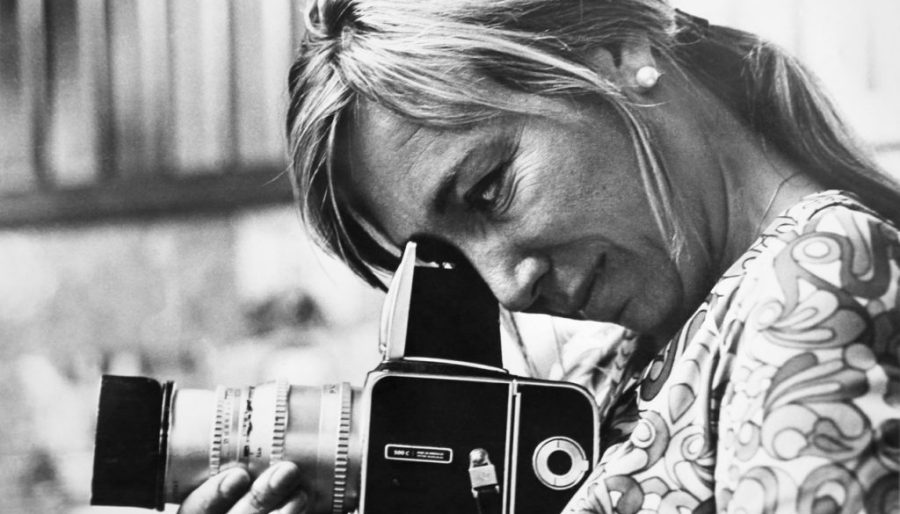
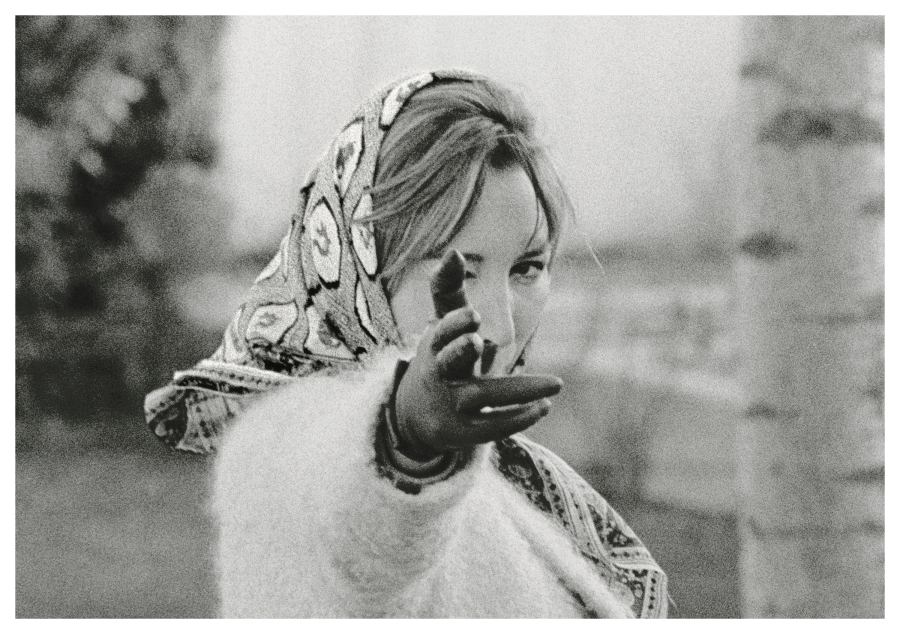
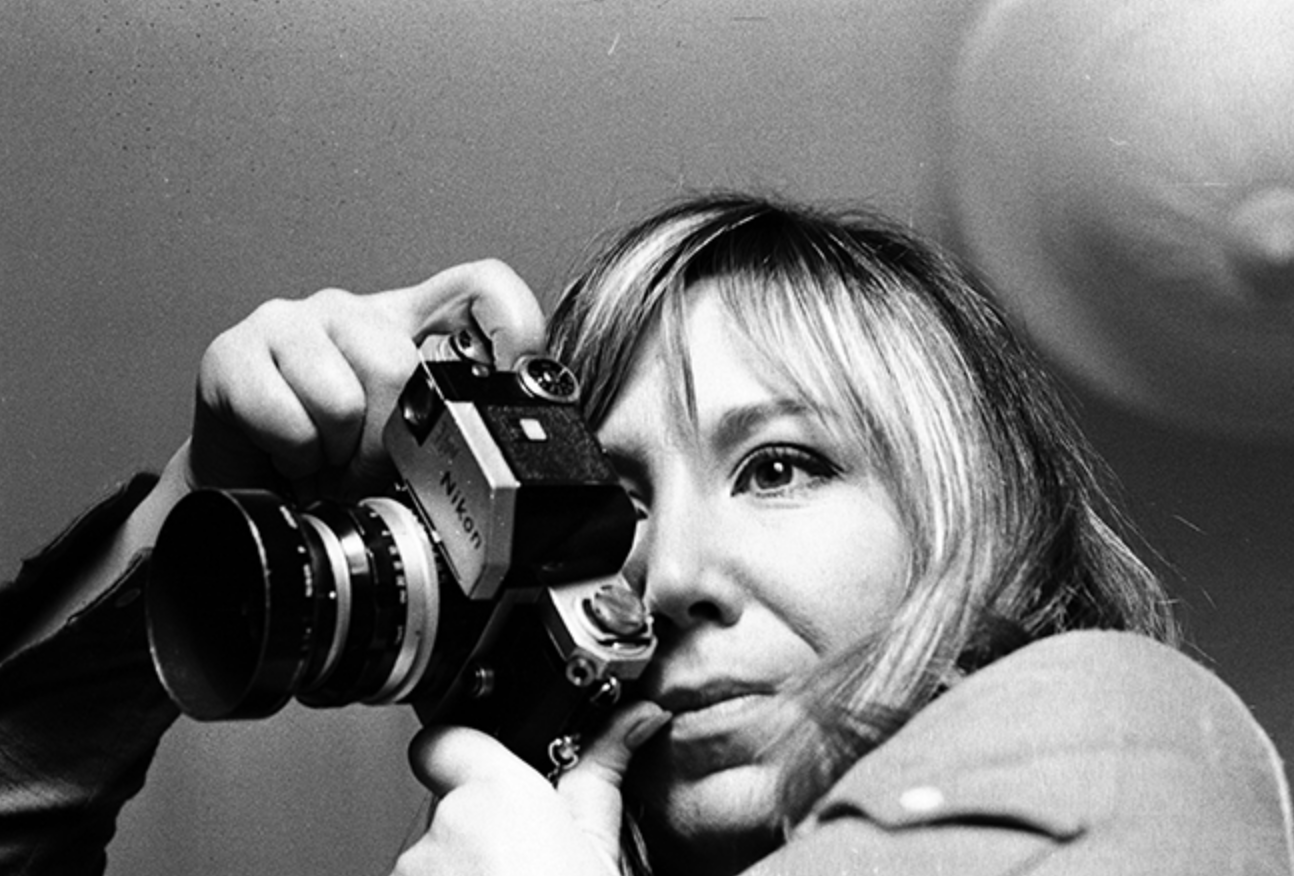
Committed to the mission of spreading and promoting the social value of documentary photography and photojournalism, the Photographic Social Vision Foundation created the Joana Biarnés Grant for Young Photojournalists in 2019 in honor of the first female photojournalist in Spain, thus fulfilling the photographer’s desire to support new generations of photojournalists, while allowing the foundation to pay tribute to her human and professional values.
A jury of renowned experts will evaluate the works received and will award 8,000 euros to the author or team selected to carry out their research within Spanish territory. In addition, whoever obtains the Grant will be supported by the advice of a tutor with extensive teaching and professional experience to develop their photojournalistic research for nine months. During this period, the author(s) will be able to use the temporary loan of photographic equipment, provided by Foto Ruano Pro, to carry out the research. The project will have a guarantee of support by the Photographic Foundation in the most appropriate format or support.
The finalists will be entitled to a portfolio review with a collaborator from the Photographic Social Vision Foundation, chosen by each finalist based on availability. In addition, they will receive free access to the narrative journalism workshop offered by 5W, an independent magazine dedicated to narrative journalism and photography, as well as a three-month free subscription to the magazine’s online content.
Joana Biarnés Grant Advisory Committee
Jean Michel Bamberger
Journalist and husband of Joana Biarnés.
Sandra Balsells
Photographer and photography professor at Ramon Llull University.
Jordi Rovira
Journalist, biographer of Joana Biarnés, and co-director of the documentary Joana Biarnés: Una entre todos.
Oscar Moreno
Audiovisual director and co-director of the documentary Joana Biarnés: Una entre todos.
Silvia Omedes
Cultural manager, curator, and director of the Photographic Social Vision Foundation.
Imma Cortés
Photographer, curator, and manager of the Joana Biarnés Archive.
Bagong Bayani
Axel Miranda
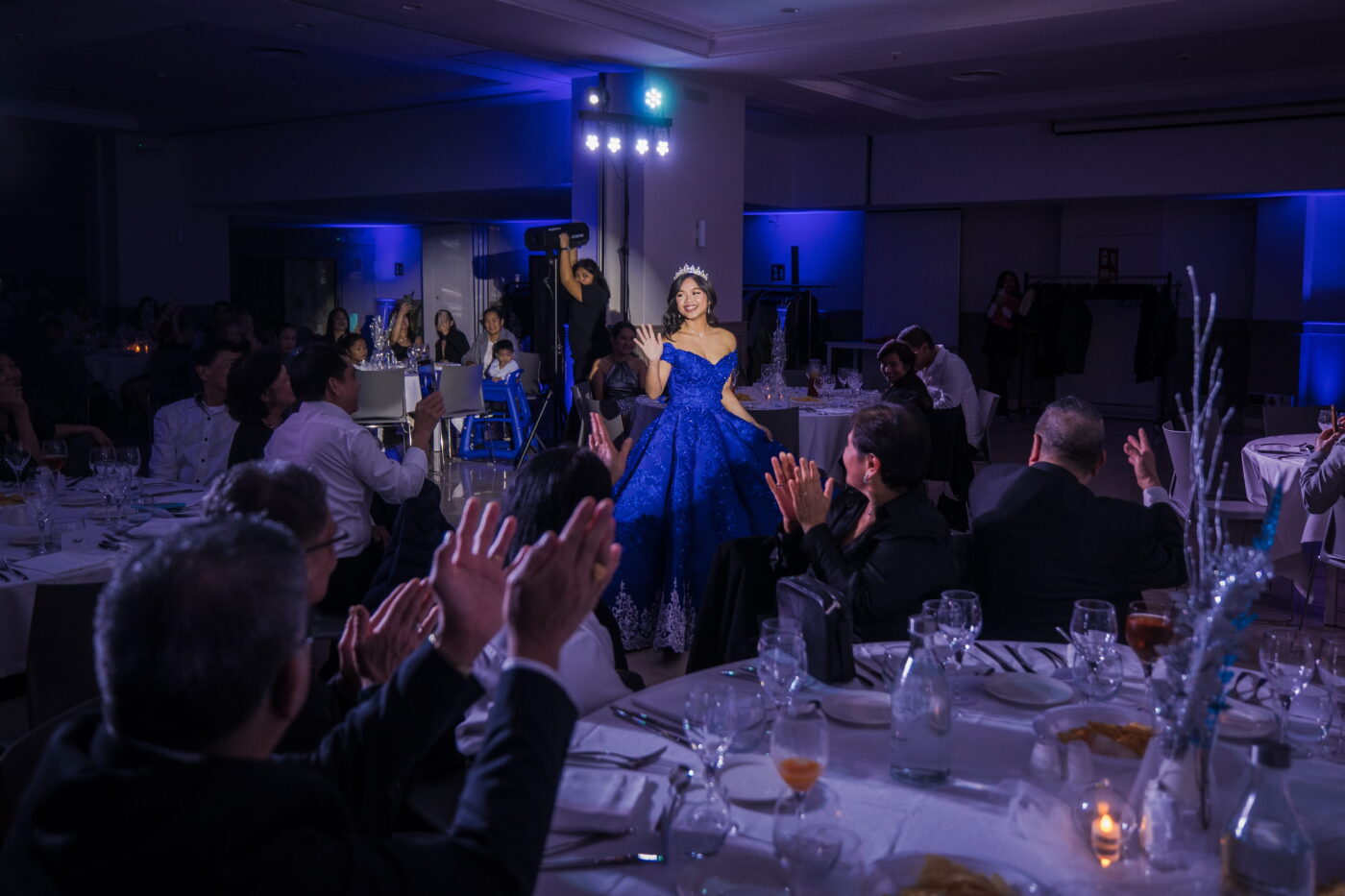
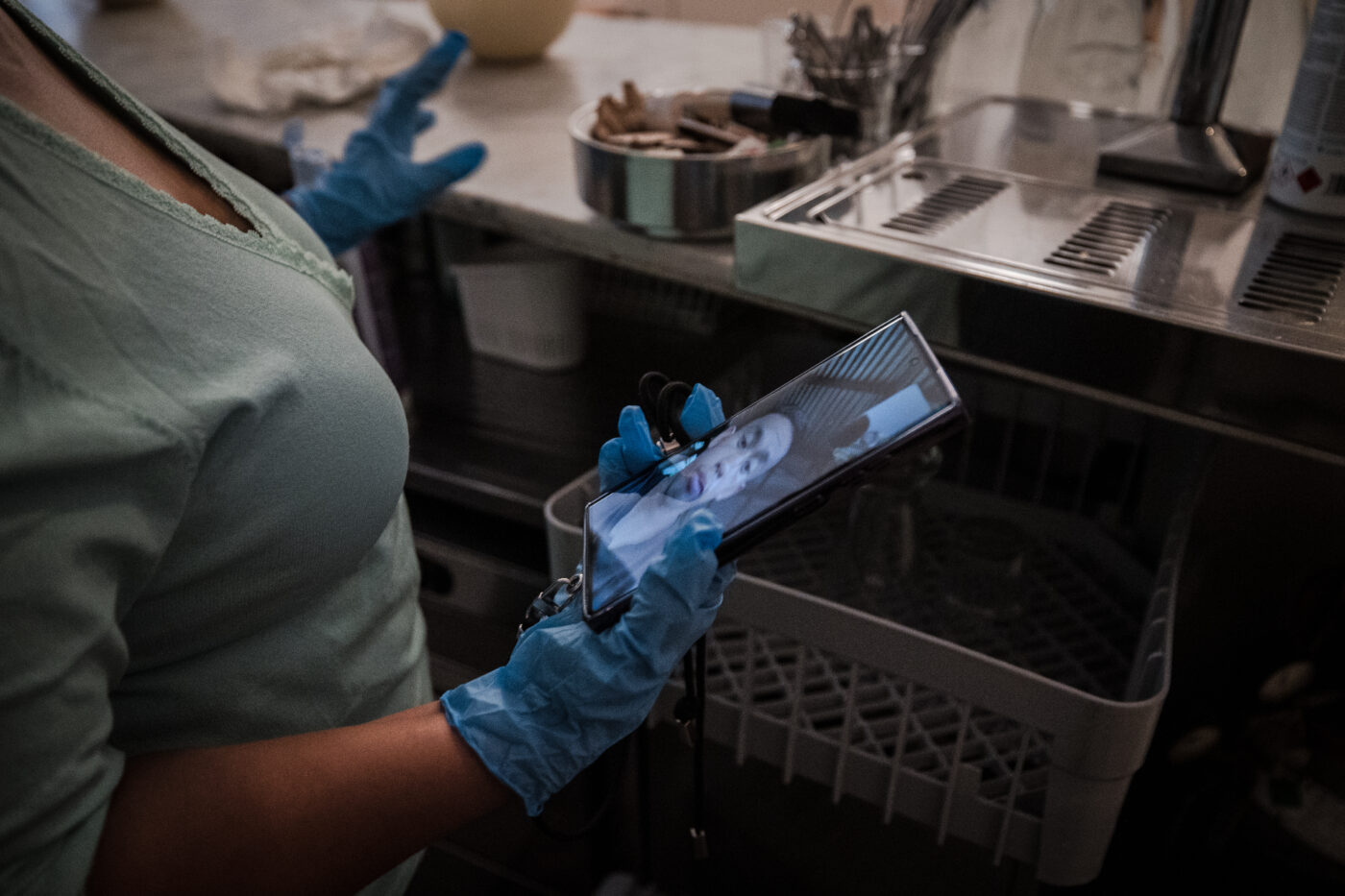
The winning project of the VII Beca Joana Biarnés is Bagong Bayani by Axel Miranda, about the Filipino diaspora in Spain, which hides “the dependence on a policy of exporting labor and on remittances as an essential source of income.”
The author reveals that his motivation for undertaking this project stems from his personal, family, and community history. His project seeks to portray the reality of the Filipino community in Spain and, at the same time, proposes “an exercise in identity exploration for the second generation”—to which the author belongs—which is being forged “from the legacy and shadow of the Bagong Bayani.”
El proyecto se propone contrastar «los imaginarios construidos tanto por la sociedad filipina de origen como por buena parte de la sociedad española, al tiempo que plantea un ejercicio de exploración sobre la segunda generación, forjada a la sombra de las ‘Bagong Bayani’», las mujeres que trabajan en el extranjero, «cuya figura se exalta como símbolo de sacrificio y motor económico» en Filipinas.
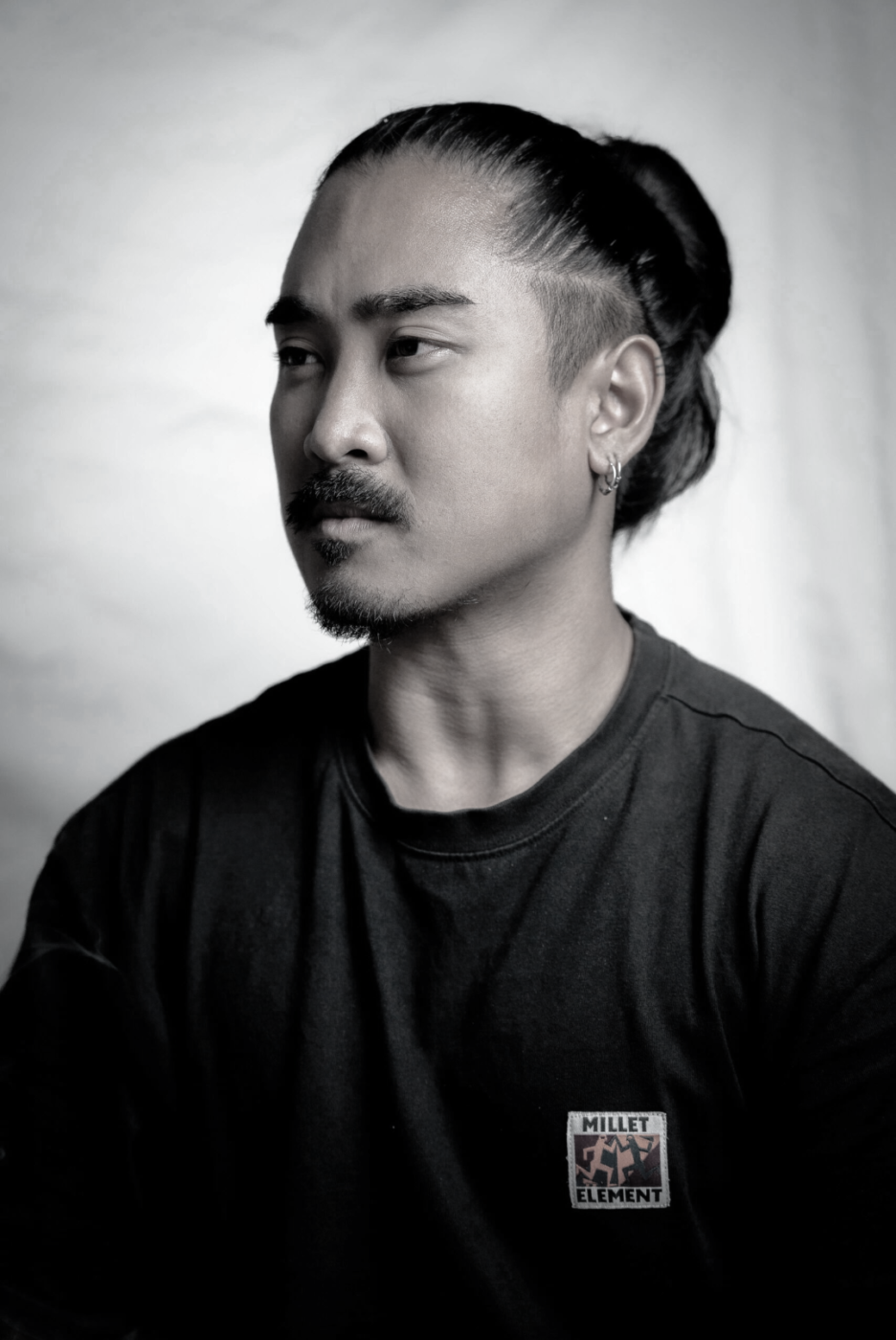
Axel John Miranda (Barcelona, 1998) studied Fine Arts at the University of Barcelona and the Institute of Photographic Studies of Catalonia, specializing in Photojournalism and Documentary Photography.
Since then, he has collaborated with media outlets and agencies such as SOPA Images, Reuters, La Directa, and Europa Press, among others. His work focuses on humanitarian crises, social and political conflicts, migration and immigrant communities, and environmental crises, always from a human rights perspective. His photo essays are primarily developed through photography, but he also handles production, post-production, and color grading for video and multimedia projects.
He has received recognition in several Catalan awards, such as MiraVisions (2024), TransHumant (2024), and the Diomira Award (2024), and has received funding for European Union projects, such as Are We Europe, in addition to collaborating with various international news agencies.
Axel will become a member of the RUIDO Photo organization in Barcelona in 2025.
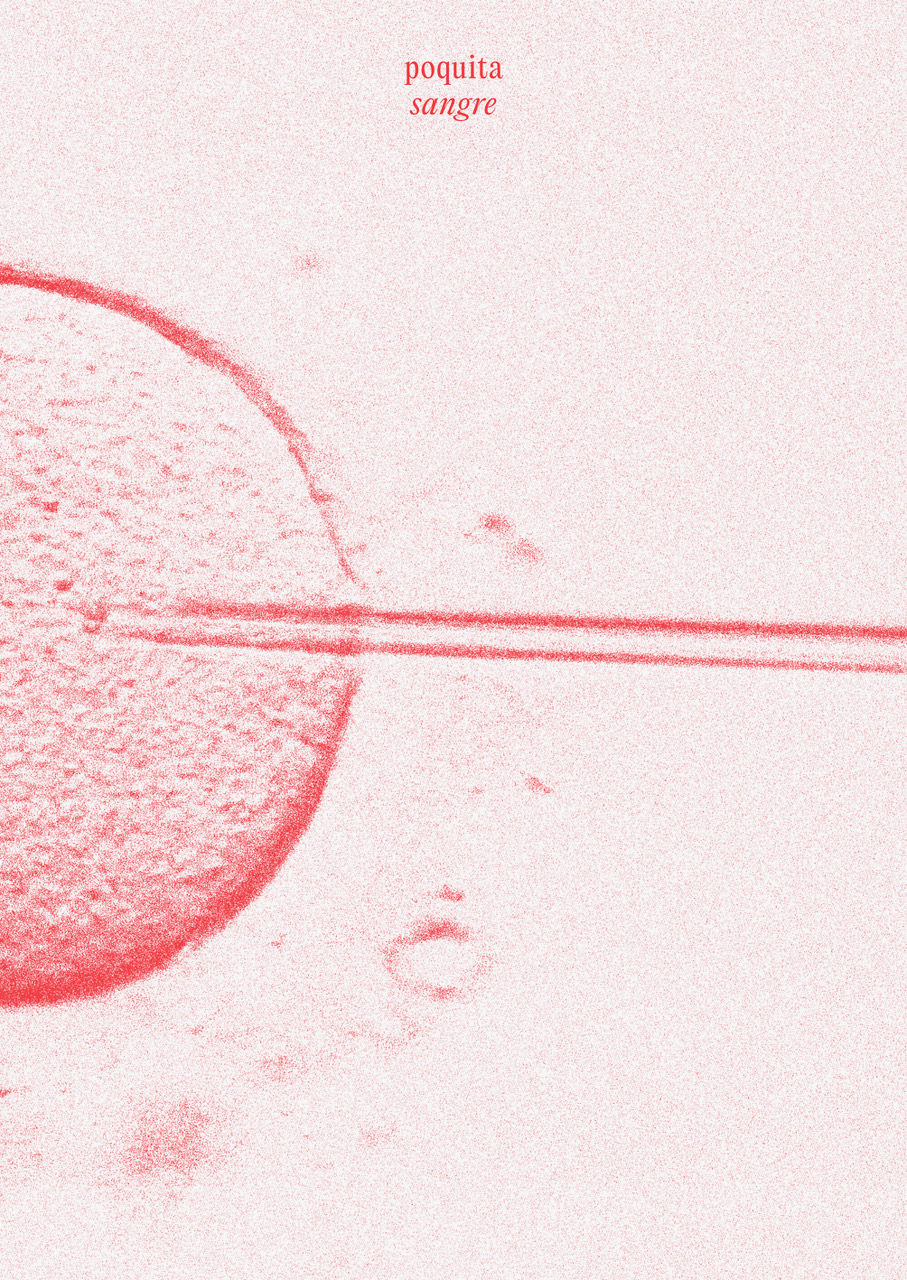
Poquita sangre
Claudia Toledo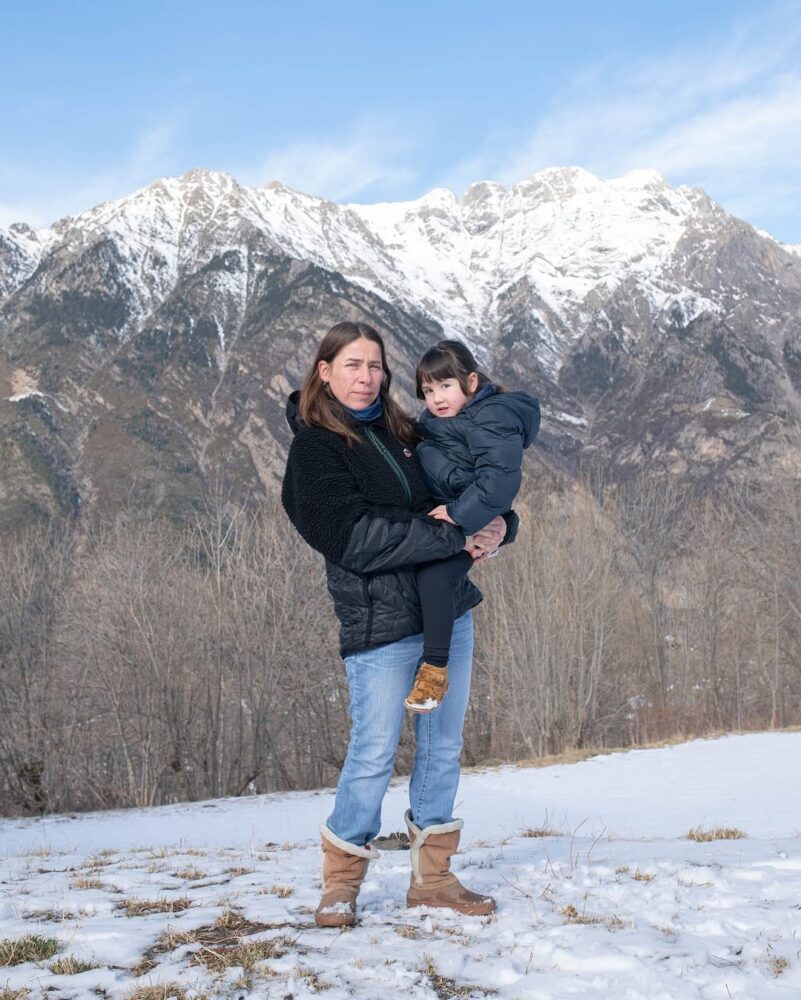
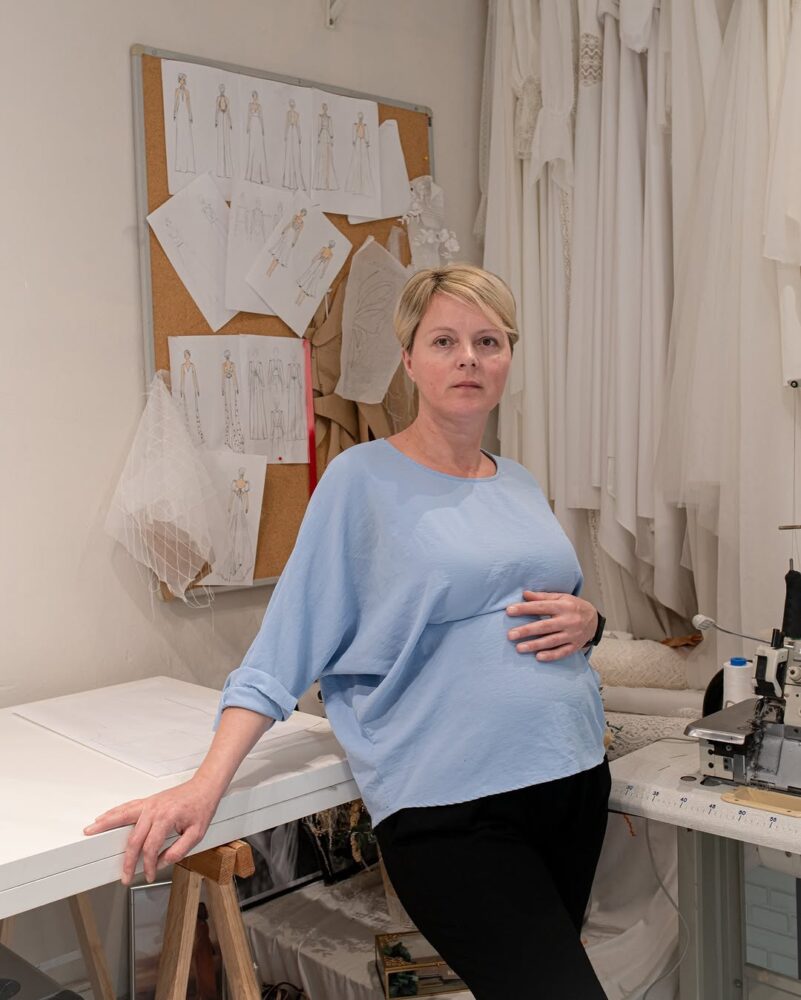
Motherhood after 40 cannot be understood as a purely individual decision. It arises at the intersection of economic, labor, cultural, and biological factors that define the real framework within which this desire—or this possibility—is constructed.
This research analyzes this context from different perspectives: the reproductive crisis in Spain, the rise of fertility tourism, the transformation and precarization of care work, and a critical reflection on the very concept of desire in a scenario shaped by structural constraints.
In recent decades, women’s access to higher education and the labor market has profoundly transformed life trajectories. However, the promise that it would be possible to first consolidate professional, economic, and personal stability before becoming a mother is, in many cases, an illusion. When stability is delayed and the body ages, many women find themselves facing a difficult-to-resolve tension.
The origin of this project is personal and documented. My aunt Laly, who died in 2009 at the age of 46 from uterine cancer, tried to become a mother through various assisted reproductive treatments. During that process, she kept a detailed record of consultations, diagnoses, and procedures in a diary that I still have. This personal archive marked the starting point for this research, which combines personal testimony and social analysis.
The work brings together the stories of women in Spain who have experienced motherhood—or tried—after the age of 40. They are women with diverse backgrounds: working women, migrants, professionals, with and without support networks. Their experiences allow us to observe how factors such as job insecurity, difficulty accessing housing, relationship instability, and the unequal distribution of caregiving influence their lives. In short, a multifactorial crisis.
Official data show a sustained shift in the age of motherhood and an increase in assisted reproductive treatments, in a context where biological probabilities decrease with age. This reality has led to an increasing and exhausting medicalization of the reproductive process and has highlighted the structural limitations that condition what is presented as an individual decision.
The project proposes a critical reading of this scenario. Through photography and testimonies, it documents how these decisions are constructed in a context marked by precariousness and a social organization of care that remains unequal. The aim is to provide context, data, and narratives that allow us to understand why more and more women are becoming mothers later in life and under what conditions they do so.
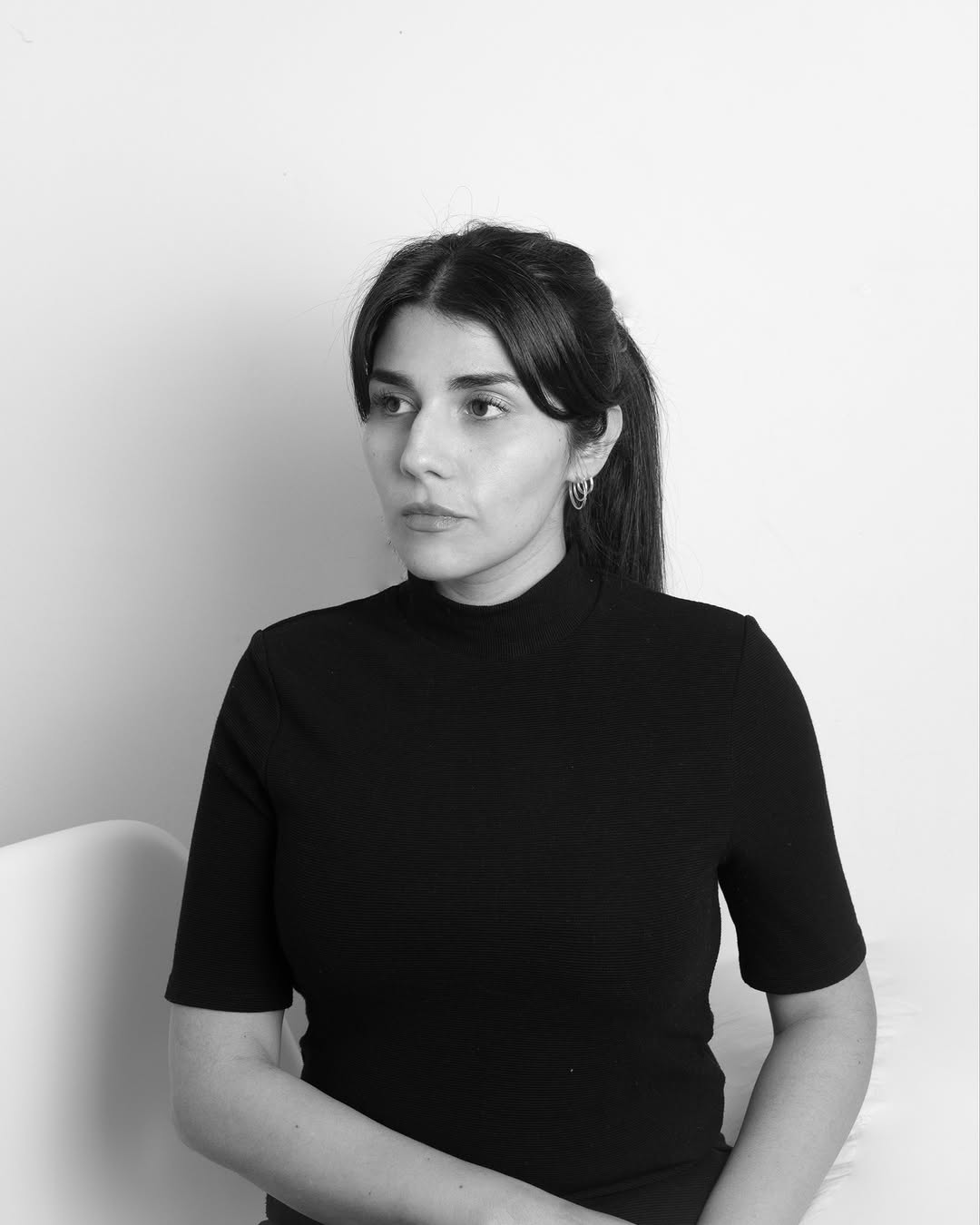
Claudia Toledo (1993) is a Chilean documentary photographer who has lived in Barcelona for over six years, specializing in photojournalism and contemporary photography.
Her work focuses on social issues through documentary photography, social education for young people through photography, and architectural photography.
She studied Professional Photography at the ARCS Professional Institute in Santiago, Chile, completed postgraduate studies in photojournalism at the Autonomous University of Barcelona, and studied contemporary documentary photography at the Grisart International School of Photography. She currently teaches introductory photography courses for young people at the Espai Català-Roca Cultural Center, in addition to developing projects related to documentary photography and interior and architectural photography.
She is a member of Women Photograph, is represented by Stocksy United, and her portfolio is currently featured in Photo Vogue.
The photobook addresses the issue of motherhood after 40 with a critical point of view away from an individual idea; the work examines how is constructed the desire to mother and how it is limited by economic, work, cultural and biological conditions in the current context.
Eroding Franco
Jordi Jon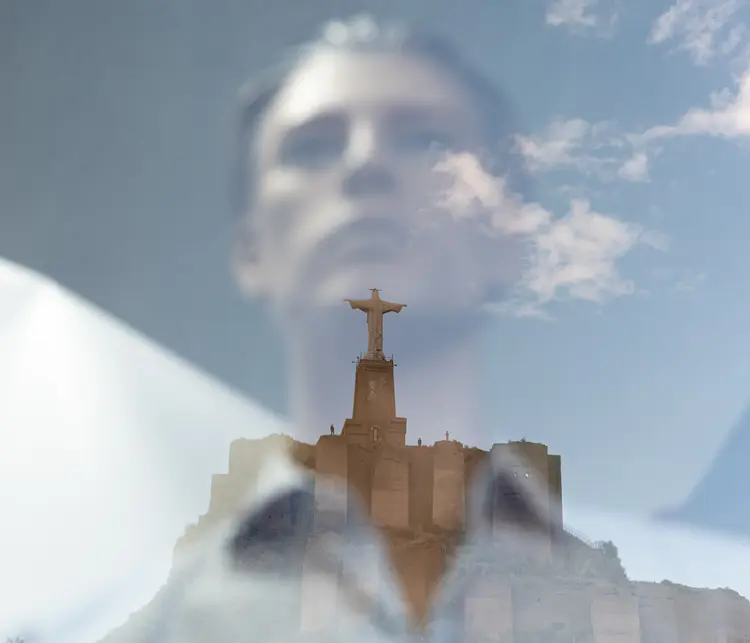
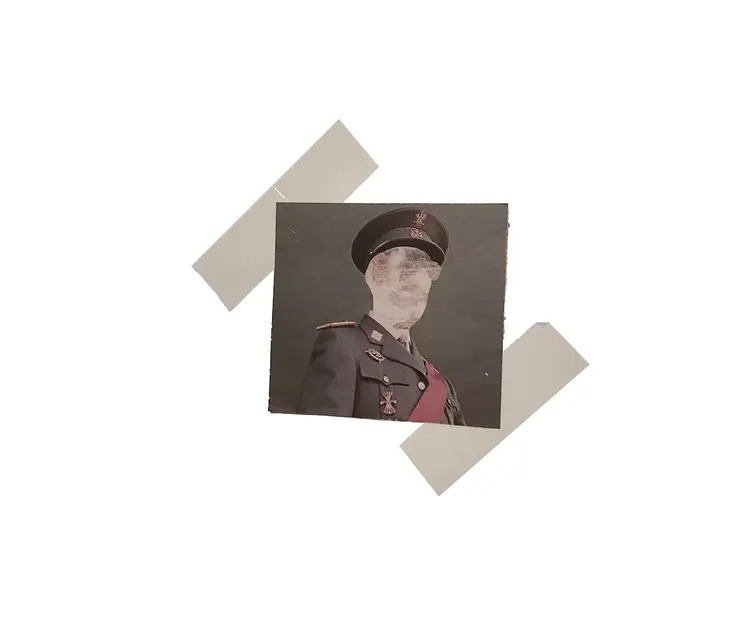
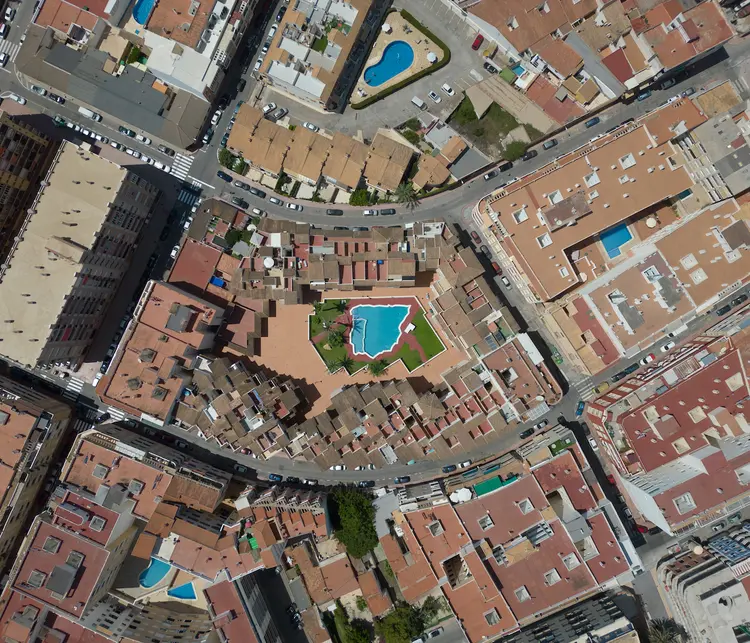
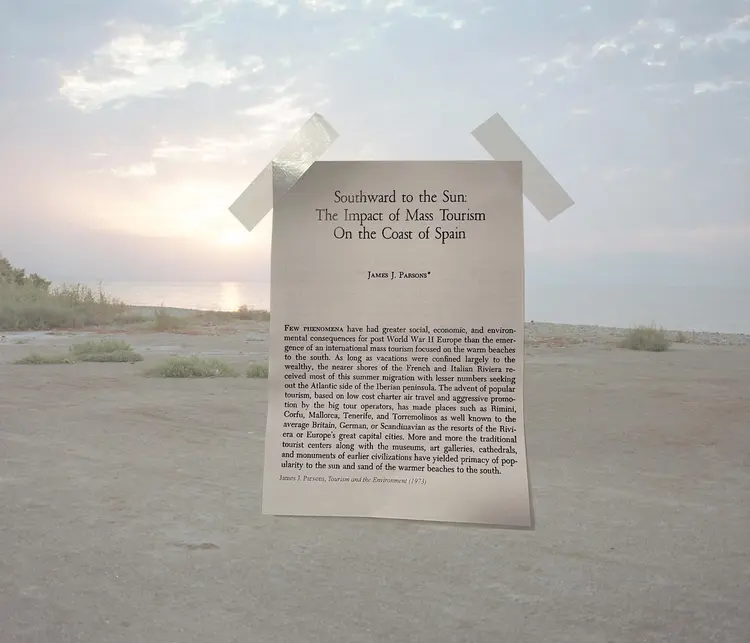
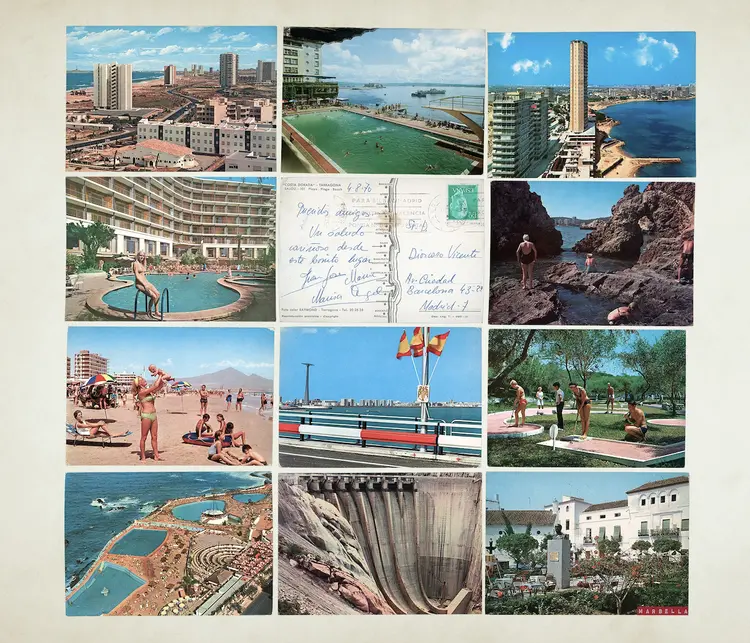
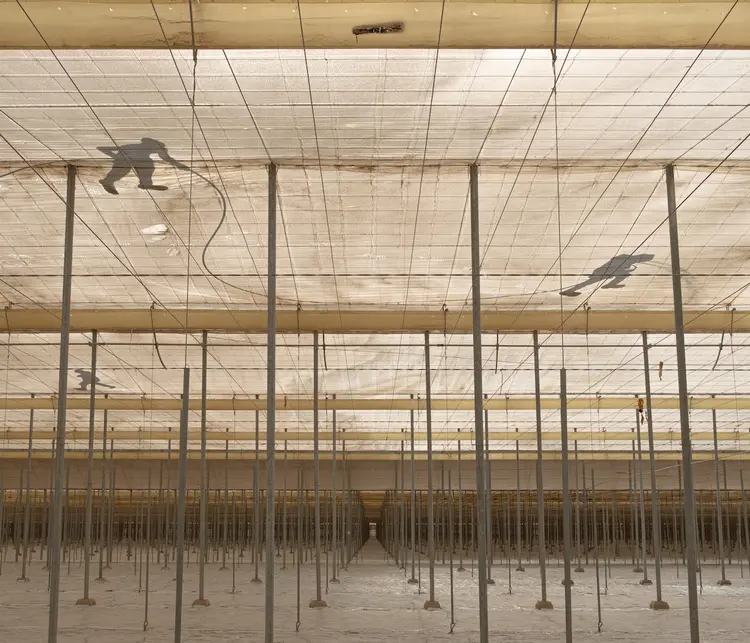
Eroding Franco is a visual journalism project that links the environmental debt of the Franco regime (1939–1975) to the current desertification crisis in Spain.
Desertification—the transformation of fertile land into arid landscapes—is a critical global challenge, worsened by unsustainable practices such as poor water management and intensive agribusiness. In Spain, this problem is especially evident: the legacy of Francoism cemented mass tourism, construction, and industrial agriculture as the country’s “economic pillars,” promoted during the so-called “economic miracle” (1959–1973). This model reshaped the territory and laid the foundations for a desertification machine.
According to scientific studies, 80% of Spanish territory could face the critical effects of desertification before the end of the 21st century. This phenomenon is not only an environmental crisis: it destroys rural economies, displaces communities, and erodes the collective memory that connects society to its land.
Eroding Franco emerges from the synergy between historical archives and contemporary photography in order to explore how past decisions shape the present. With a critical and scientific perspective, the project invites reflection on the need to learn from the past in order to face the environmental challenges of the future.
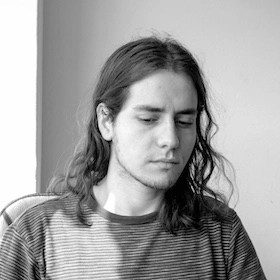
Jordi Jon (1996) is a documentary photographer and journalist with a strong focus on environmental narratives. He co-founded MÓN, an organization deeply committed to visual journalism centered on climate change.
Jordi Jon’s journey began during his studies in visual journalism, where he immersed himself in human-centered stories closely intertwined with the challenges of climate change and the environment. As a National Geographic Explorer, he has received support for specific projects, such as documenting stories of desertification and reforestation initiatives in Spain.
His work spans a range of subjects—from Spain’s struggle with desertification and conservation stories to the complexities of the oil crisis in Albania. He has exhibited his work in countries including Switzerland, the United States, Finland, Germany, India, Bangladesh, and Spain.
Lumes
Adra Pallón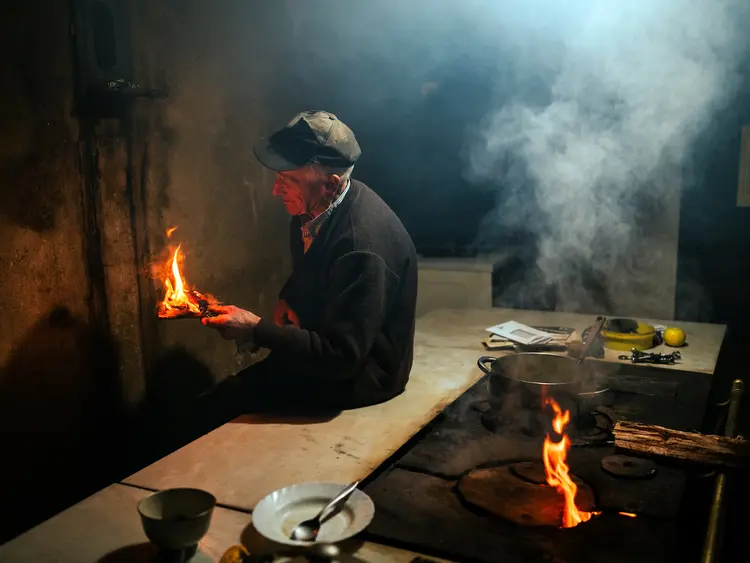
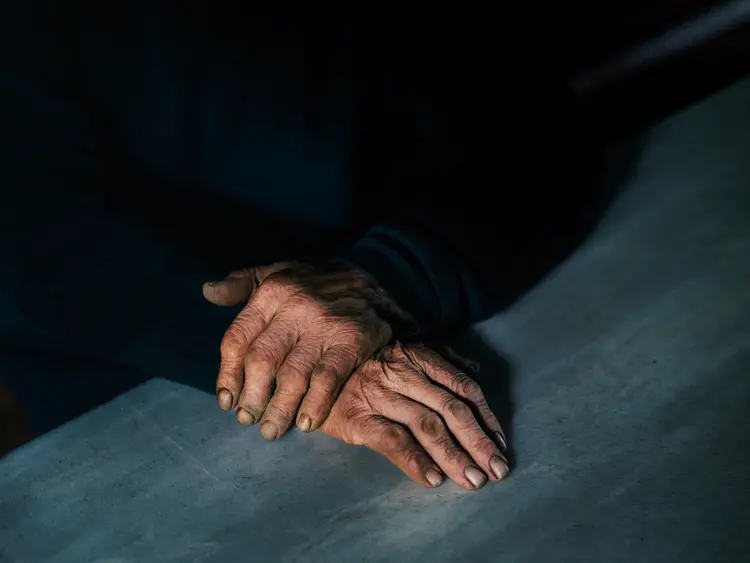
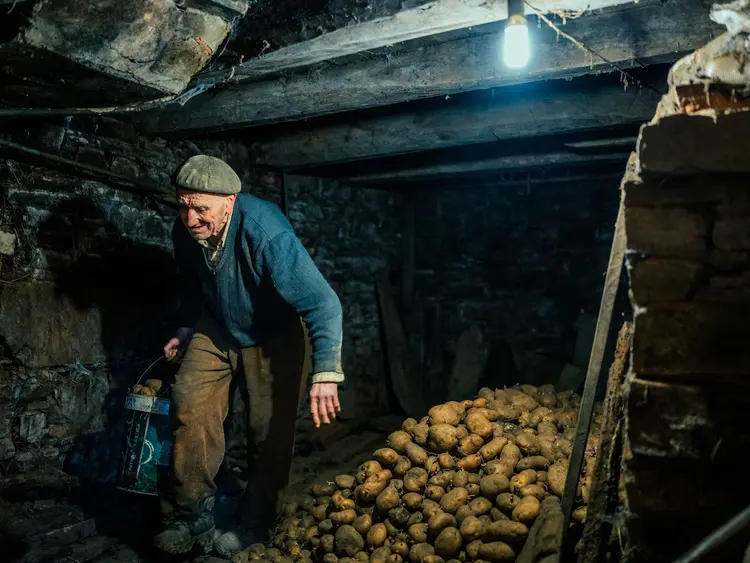
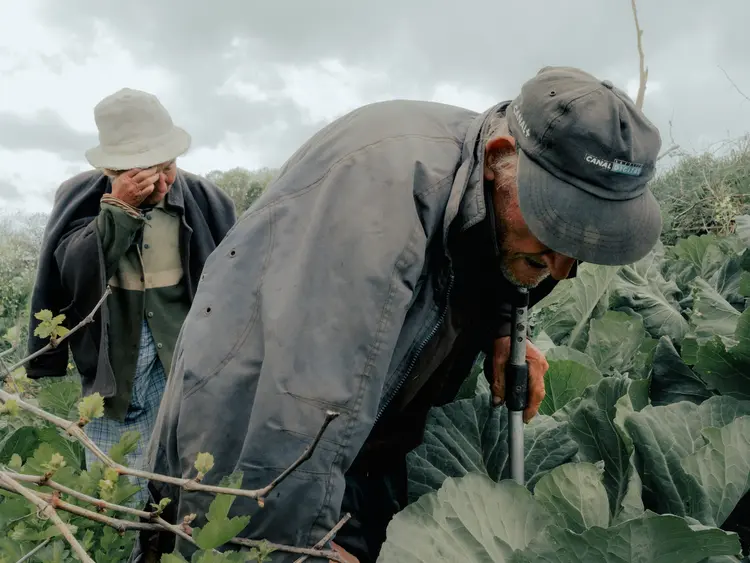
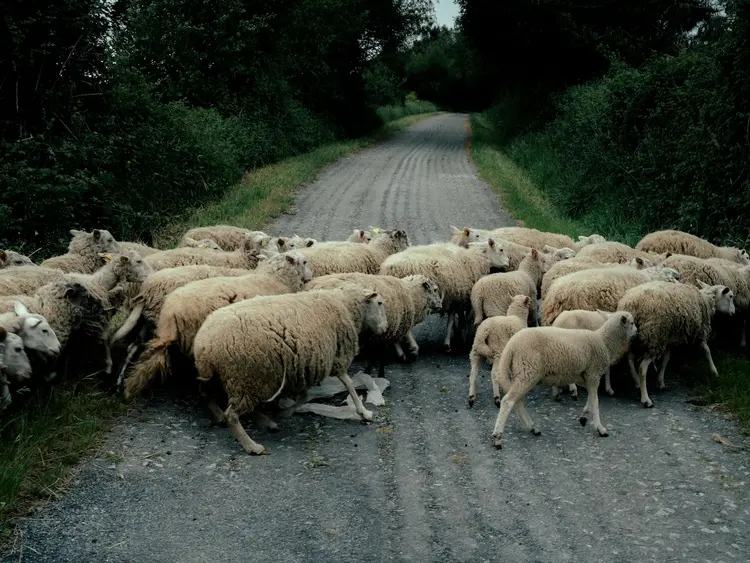
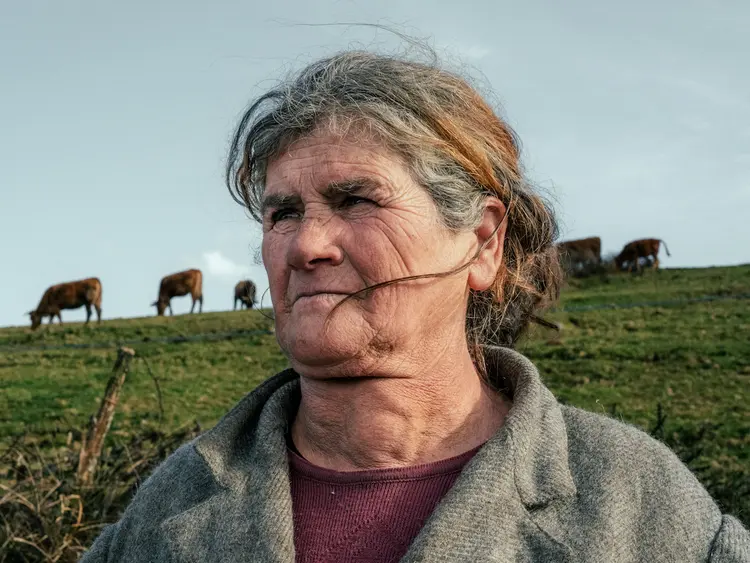
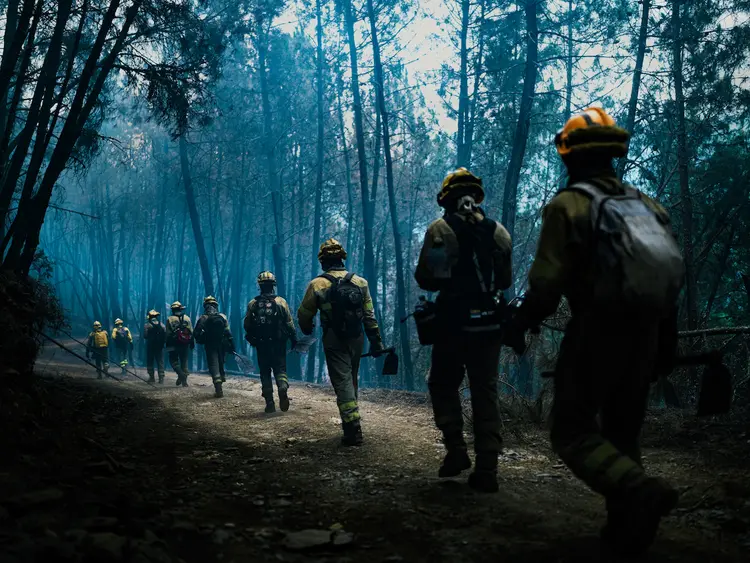
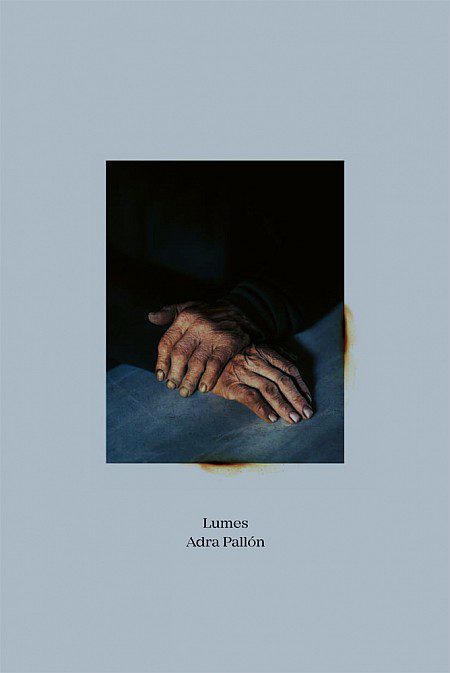
“Demotanasia” is the process by which, due to political actions—or the lack thereof—the population of a territory is driven to disappear. Death by depopulation is slow and silent. Ruthless toward the land, nature, and cultural heritage. The situation is no less dramatic for the people who inhabit—or rather, resist—in rural areas. Those who live in absolute solitude in what is silently, and mistakenly, called empty Spain. In reality, it is not yet empty.
Europe is the most aged continent in the world. One of the regions most affected by aging, according to Eurostat, is Galicia. There is a high percentage of elderly people with limited autonomy or varying degrees of dependency who refuse to leave the land where they have lived their entire lives.
Much of the aging population is left behind in these areas, with insufficient care and very limited social and healthcare coverage. These are traditionally smallholding territories, shaped by a rugged geography that makes intensive production impossible. The current voracious market of mass production and overproduction, coupled with poor telecommunications and transport connections, has led to an inverted demographic pyramid in most of these territories. There are population centers where the pyramid has no base at all, due to extremely low birth rates and mass rural exodus.
Rural depopulation is one of the causes of many environmental problems, such as the increasing intensity of wildfires or the rise in soil erosion. If there are no radical changes, the death of the last rural inhabitants will mark the end of a social model—and then, Spain will truly become empty.
Adra Pallón (Lugo, 1992) is a documentary photographer who, through long-term projects using photography and multimedia, seeks to shed light on social issues present in the region or social group he integrates with or is a part of.
The aim of all his photographic work is to document the reality closest to him—one in which he is immersed and whose social and cultural codes he can fully understand.
To carry out this work, over the past five years he has been developing documentary photography and multimedia projects, addressing a range of social and environmental issues through still photography and audiovisual storytelling.
Some of his personal work has been recognized in various photojournalism and documentary photography competitions, including Galicia en Foco, Andrei Stenin International Press Photo Contest, Prémio Estação Imagem 2022, Visa Pour l’Image Screenings in Perpignan, and the II Héctor Zampaglione Award, among others.
The photobook documents the last inhabitants of rural areas in Galicia, as well as the consequences of progressive depopulation on both the natural environment and the cultural and social heritage.
Hasta que la tierra aguante
Santi Donaire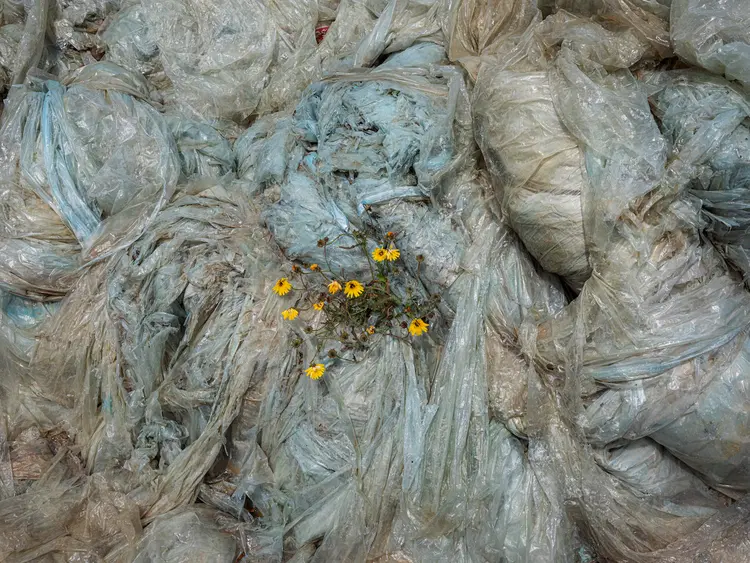
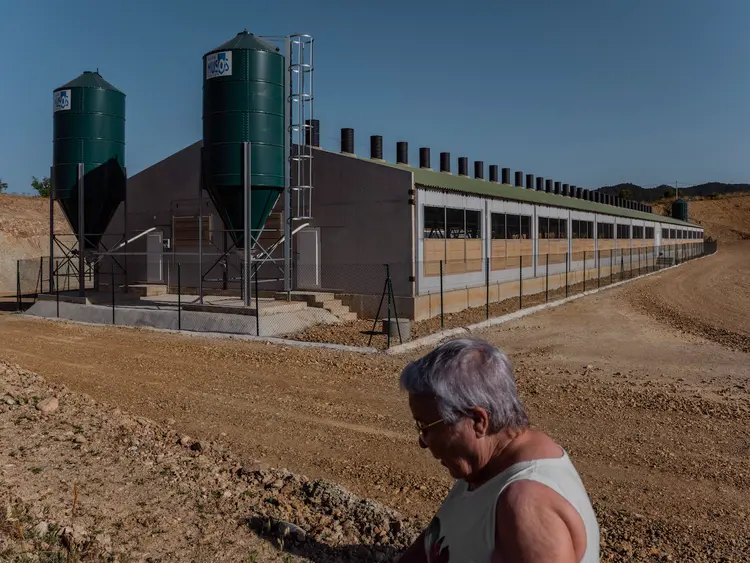
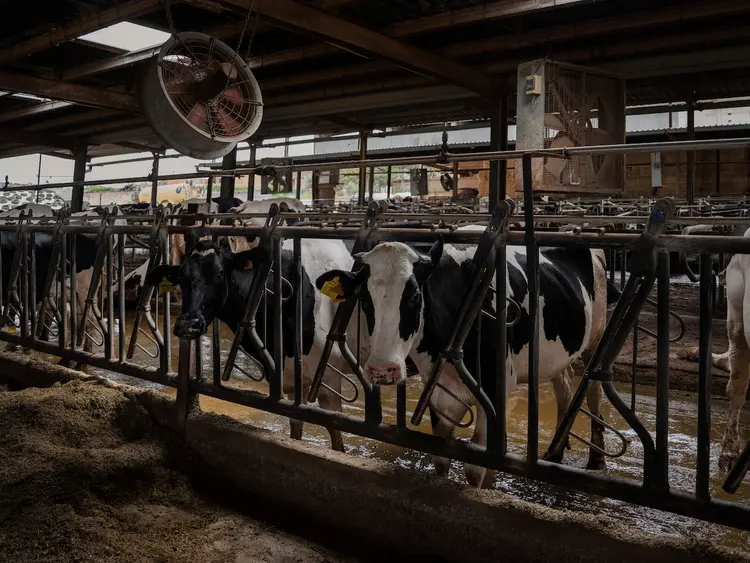
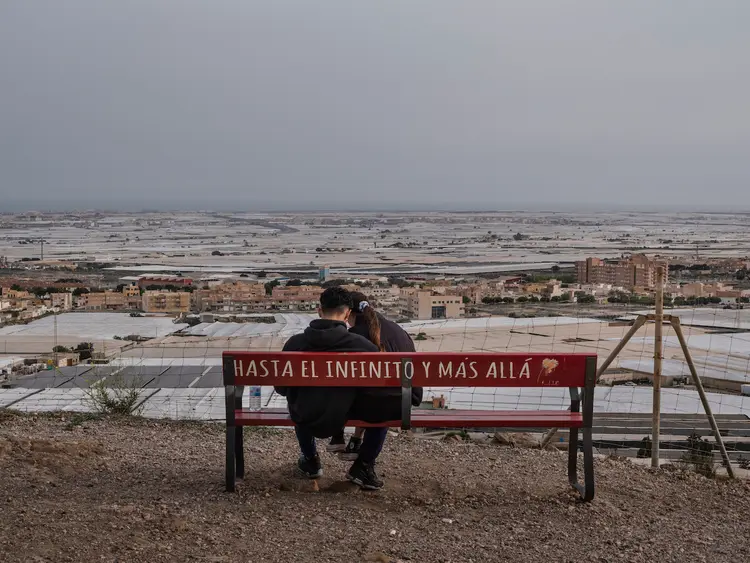
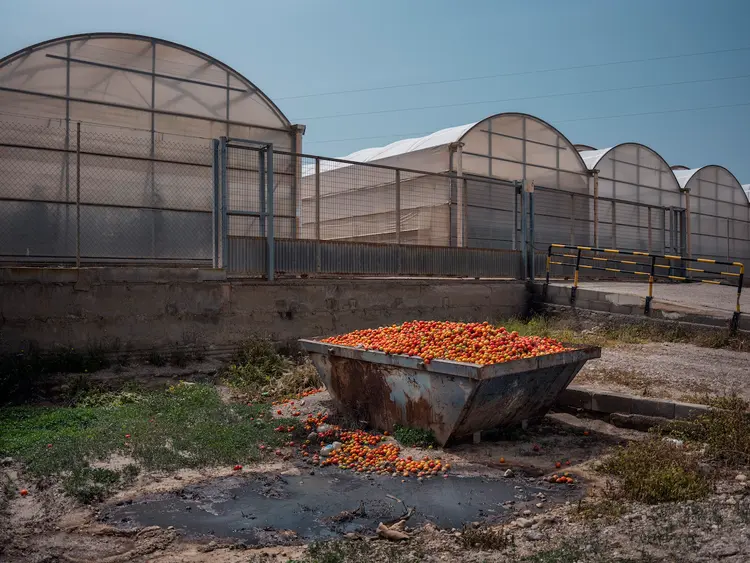
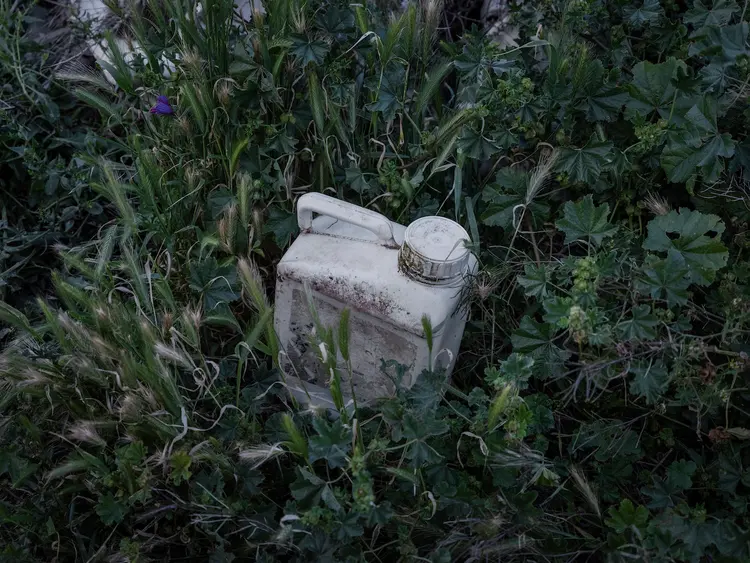
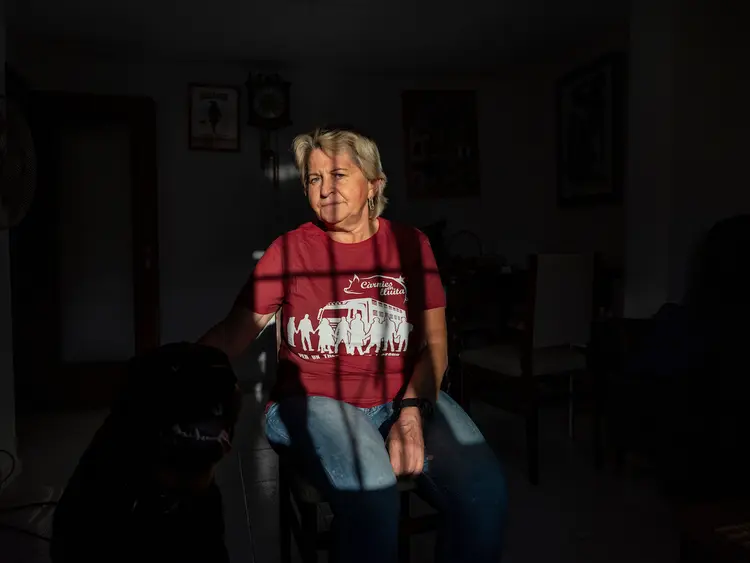
Spain is the third-largest exporter of fruits and vegetables in the world, behind only the United States and China. This position places the country at the forefront of global industrial food production. Being a world or European leader in the production of foods such as mangoes, avocados, strawberries, olive oil, or pork means that both the land and its natural resources—as well as the people who live there—are geared toward and bound to maximum output and economic profitability, far removed from any balance with the environment or the most basic human rights.
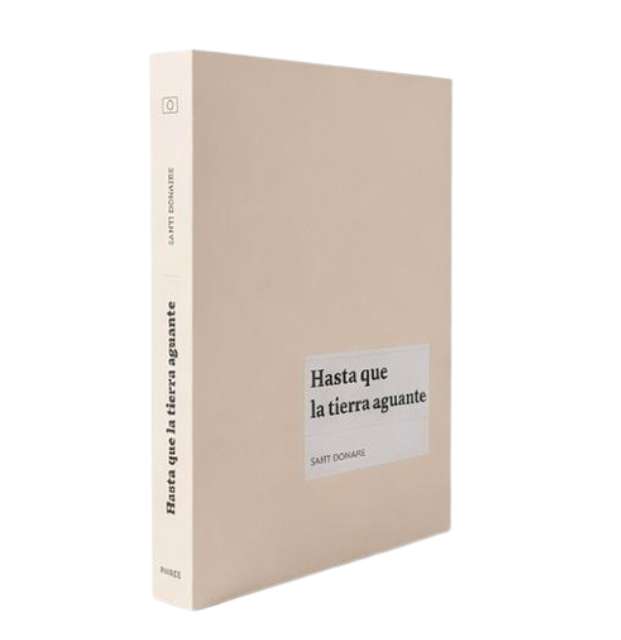
Hasta que la tierra aguante (Exhausted Land) is a journalistic and visual investigation—a journey through inland Spain and the country’s major food production centers to examine the environmental, social, and health consequences of a food production model rooted in greed and denial of the planet’s biological limits.
Agriculture and livestock farming play a major role in the advance of climate change, consuming vast amounts of water, depleting soil and nutrients, generating waste and pollution that flows into rivers and aquifers, and relying on labor conditions that border on semi-slavery.
But this project is also a call to reflection—for cities and the contemporary urban model of consumption. The endless exploitation of rural resources and people by large multinationals is, in part, the result of a consumption model that neither sees nor feels the wounds it causes, and which follows no natural or human rhythm.
We produce as we consume—and vice versa.
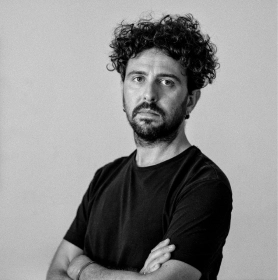
Santi Donaire was born in Jaén, Spain, in 1988. He studied Journalism and Audiovisual Communication at Rey Juan Carlos University in Madrid and later expanded his photographic training at the renowned Blankpaper School.
He worked for seven years as a photojournalist for EFE News Agency and the European Pressphoto Agency (EPA). His work has been published in outlets such as Time magazine, The Washington Post, El País, and Le Monde.
In 2018, he won third place in the POYI (Pictures of the Year International) awards in the General News category, and was also a participant in the King of Spain International Journalism Prize for a report published in The New York Times about children smuggling gasoline across the Venezuela–Colombia border.
Currently, his visual work is primarily focused on exposing human rights violations, particularly in relation to migration, historical memory, and climate change.
In recent years, he has explored the legacy of the military dictatorship in Spain from various angles, always with the intention of analyzing collective memory and the historical trauma that still lingers in Spanish society.
This photobook is a journey through the major food production centers in Spain that, as the author says, analyzes an industrial model anchored in greed and that denies the limits of the planet’s biological capacity.
Cartas a Mariví
Samuel Nacar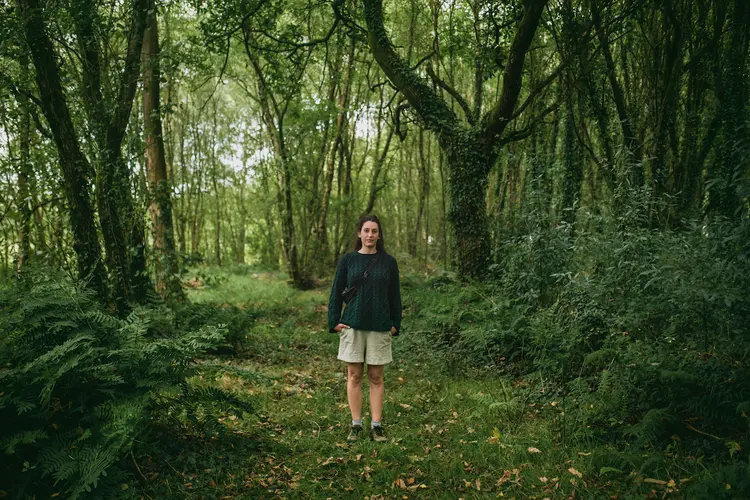
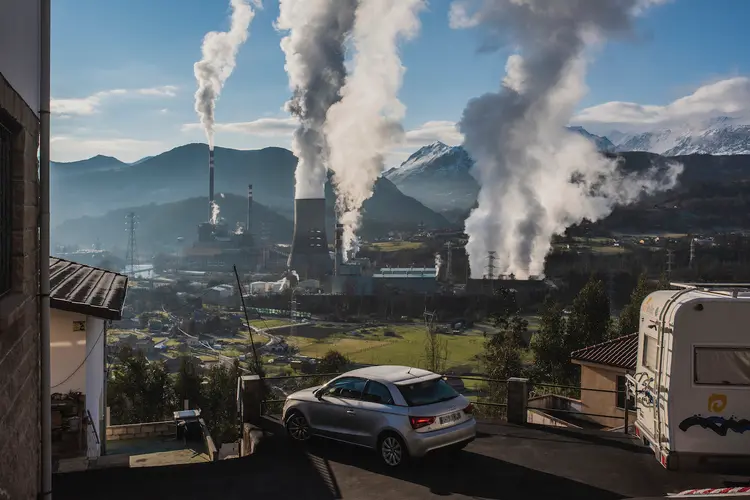
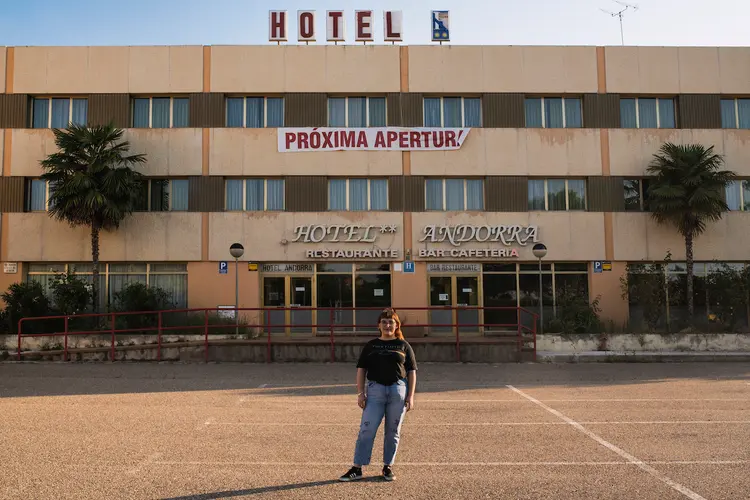
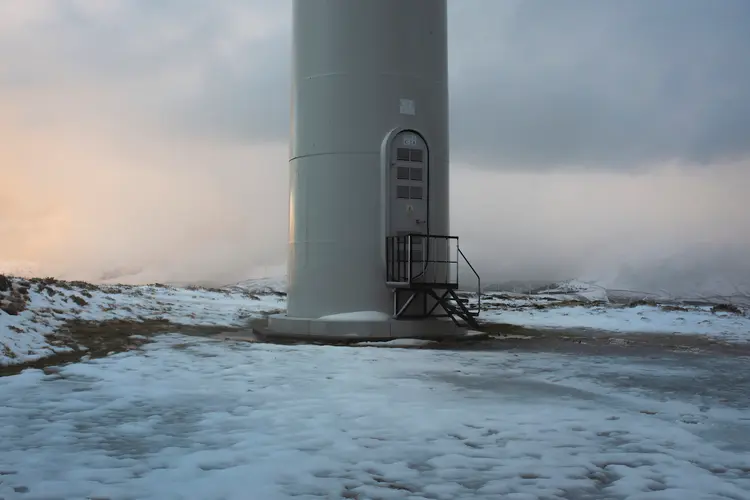
Cartas a Mariví (Letters to Mariví) an exhibition produced and curated by Photographic Social Vision, is the result of Samuel Nacar’sinvestigation into a generation destined for precarity—young people without opportunities in their homeland who migrate to the large cities of the peninsula. They abandon peripheral Spain, a territory about which little is ever told, and whose industrial dismantling leads to progressive abandonment, generating an emptied Spain.
Nacar has traveled nearly 12,000 kilometers through the Spanish periphery, identifying a recurring pattern: he finds collapse in Linares (Jaén), labeled “the city with the highest unemployment in Europe” since the closure of the Santana automotive factory over a decade ago; he locates deindustrialization in Andorra (Teruel), a town that once rivaled Stockholm in quality of life, until the announcement of the closure of the Endesa thermal power plant; and he encounters resistance in A Mariña (Lugo), where 30% of the province’s GDP depends on the American company Alcoa, one of the world’s largest aluminum producers, and where workers have agreed to temporarily stop production to prevent the possible closure of the factory.
It is an unstoppable process that stretches from Cádiz to León, through provinces that were once wealthy and now watch their youth depart. Samuel Nacar gives voice to these young people, who see no future in their places of origin, convinced that they will never be able to work in the fields for which they were trained, to afford a home, or even to consider having children.
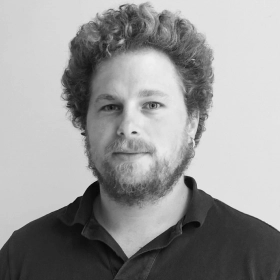
Samuel Nacar (Barcelona, 1992) is a documentary photographer and filmmaker focused on issues of migration, social conflict and depopulation. Regarding migration, it explores key aspects such as the impact of mass emigration on the communities that remain entangled and with the migratory routes created in countries of resistance. Feina life is deeply linked to the Mediterranean region, exploring the various social, economic and environmental transformations.
He has worked as a freelance collaborator for Ruido Photo and 5W Magazine, among others. He began his seventh career as an independent journalist dealing with the refugee crisis in Lesbos in 2015. Since then, he has spent more than a decade documenting the European border system and violations of human rights throughout the continent.
His work has been recognized with the World Press Photo 2025 awards in the category of Reports from the Eastern Asia region for his project “Shadows Already Have Names”. Currently, he is developing the documentary “Taranta” about the deindustrialization and depopulation of Spain and continues to work in the region along the Atlantic migratory route, affecting those who remain in the countries of origin.
Dilo por su nombre
Maria Contreras Coll
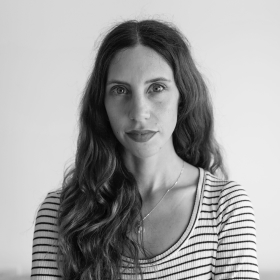
Maria Contreras Coll (Barcelona, 1991) is a visual storyteller and documentary photographer, a National Geographic Explorer, and recipient of the Catalonia National Culture Award. She collaborates with outlets such as The New York Times and Bloomberg, using visual storytelling to show how women challenge patriarchal systems and reshape social structures in diverse cultural contexts.
With a background in Fine Arts and Photojournalism, she began by documenting the refugee crisis in Melilla, and later worked in Nepal on menstruation-related restrictions. Her long-term project, “Women Revisiting Religion” (2017–2022), explores the relationship between women and religion across various countries. She has published and exhibited her work internationally, and is currently developing her first documentary-fiction short film, “La Prona,” with Sumendi Filmak and support from ICAA and ICEC. She is also working on a project about Mediterranean cultural heritage, titled “Entangled Destiny” (2022–2025), funded by National Geographic.
Contact us
Fill in this form to solve any doubt: